
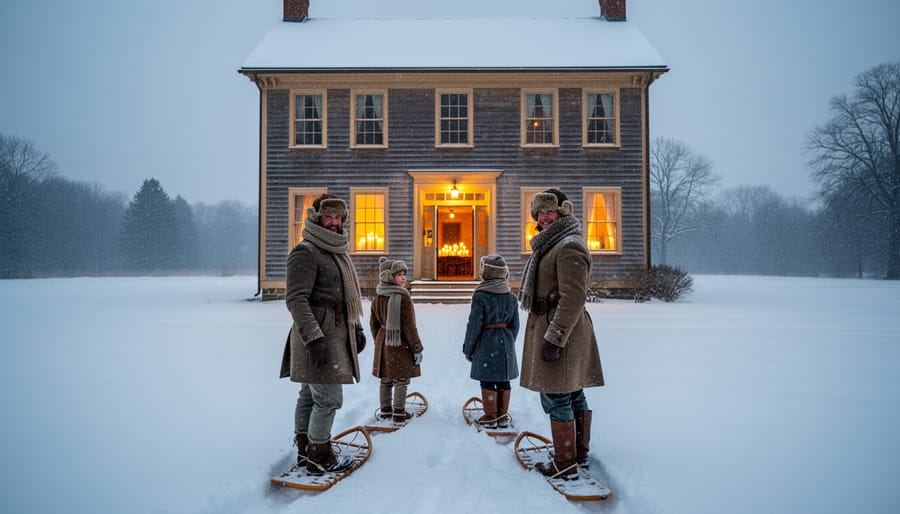
Winter transforms Battlefield House Museum & Park into a living tableau of heritage and seasonal wonder, offering visitors a unique chance to step into Canadian history while embracing the crisp beauty of an Ontario winter. This National Historic Site in Stoney Creek delivers hands-on colonial experiences, from candlelit tours through the 1800s-era home to outdoor snowshoe treks across the very grounds where the War of 1812’s Battle of Stoney Creek unfolded. Unlike climate-controlled galleries, these winter activities connect you directly to how early settlers weathered the cold, celebrated the season, and found joy in the darker months.
The museum’s winter programming honours both festival origins rooted in community gathering and the educational mission of bringing the past to life. Families discover that history feels less distant when you’re warming your hands by a heritage hearth or learning traditional crafts in period costume. The park’s 13 hectares become an outdoor classroom where children and adults alike can appreciate the resilience of those who built our communities.
Whether you’re seeking a meaningful weekend outing, planning educational adventures for young learners, or hoping to volunteer at a cherished local landmark, Battlefield House’s winter offerings deliver cultural depth wrapped in seasonal magic.
How We Chose These Winter Activities
Choosing the best winter activities at Battlefield House Museum & Park required careful thought and community input. We consulted with museum staff, long-time volunteers, and families who visit regularly to identify experiences that truly shine during Ontario’s snowy months. Our goal was to celebrate activities that honour Canadian heritage while welcoming everyone, from curious first-time visitors to seasoned history buffs.
Each activity on this list was evaluated against these standards:
- Family-friendly appeal that engages multiple generations and learning styles
- Year-round accessibility with special consideration for winter weather conditions
- Authentic connection to the War of 1812 heritage and early Canadian settler life
- Opportunities for community participation, volunteering, and cultural exchange
- Alignment with the museum’s mission to preserve and share local stories
We ranked these experiences based on visitor feedback, the depth of cultural immersion they offer, and their ability to transform a cold winter day into a memorable journey through Canadian history. The top-ranked activities combine education with genuine warmth and community spirit.
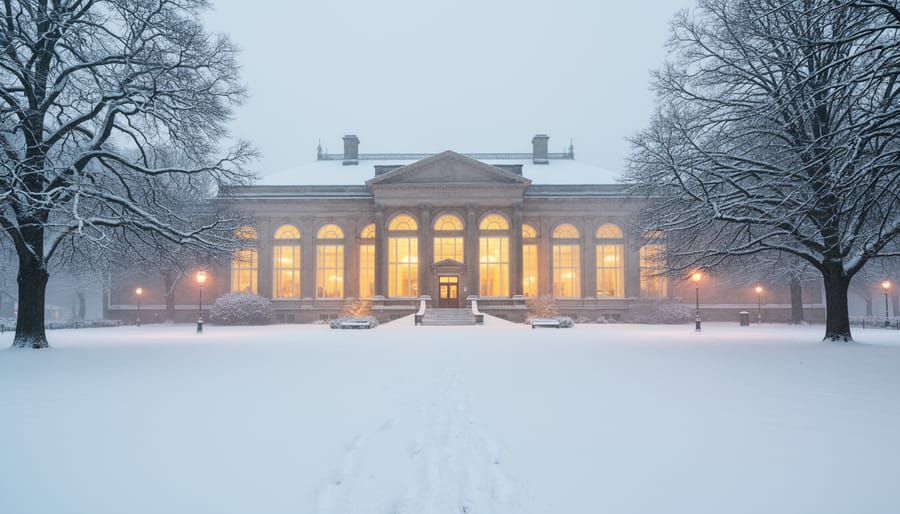
1. Heritage Storytelling by the Hearth
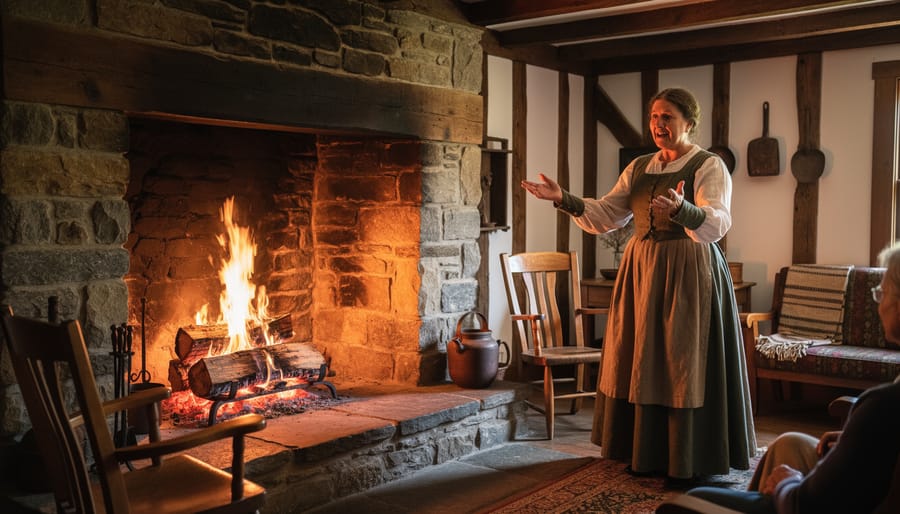
Step inside from the biting winter chill and find yourself transported to the early 1800s, where costumed interpreters gather visitors around crackling hearth fires. This isn’t passive observation, it’s an invitation into the living rooms of history itself. The flickering firelight casts dancing shadows while storytellers recount vivid tales of the Battle of Stoney Creek, daily struggles of pioneer families, and the resilience that defined early Canadian life.
The warmth radiates beyond the fireplace. Children sit cross-legged on heritage rugs, eyes wide as interpreters describe how families survived brutal Ontario winters with limited resources. Adults lean in, captivated by personal accounts of soldiers who fought just steps from where you’re standing. The storytellers weave together historical facts with human emotion, making 200-year-old events feel immediate and relevant.
What makes this experience truly special is its community foundation. Many interpreters are dedicated volunteers who’ve spent years researching local history and perfecting period-appropriate costumes. Their passion is infectious. Between stories, they’ll answer questions, demonstrate how families cooked over open flames, or explain the significance of artifacts displayed throughout the room.
On particularly cold days, there’s something profoundly comforting about gathering around that fire, sharing space with strangers who become fellow time travellers. You’ll leave with more than historical knowledge, you’ll carry the spirit of community connection that sustained generations before us.
2. Snowshoeing Through Historic Grounds
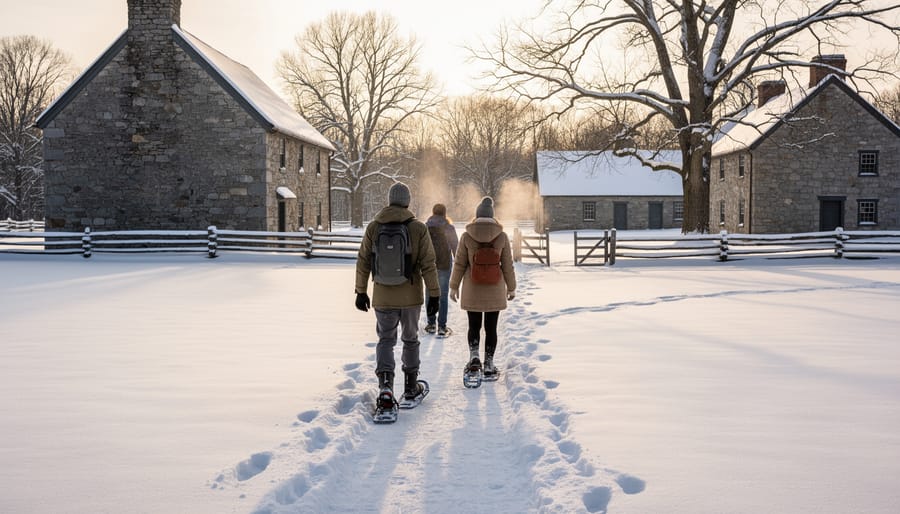
Stepping into snowshoes and crunching across the very ground where the Battle of Stoney Creek unfolded in 1813 creates an unforgettable connection between past and present. The snowshoe trails at Battlefield House wind through the historic landscape, transforming winter silence into a journey through Canadian heritage.
Both guided and self-guided options welcome visitors of all experience levels. Park staff lead interpretive snowshoe tours on select winter weekends, pointing out significant battlefield locations while explaining how soldiers navigated this terrain during the War of 1812. The guides share stories of troop movements, strategic positions, and the challenges of winter warfare, details that take on new meaning when you’re wearing period-appropriate footwear yourself.
Self-guided explorers can pick up trail maps at the visitor centre and set their own pace. The main trail loop covers roughly two kilometres through mixed woodland and open fields, with gentle terrain suitable for families with children as young as six or seven. Interpretive markers along the route provide historical context, so you’re never just wandering, you’re walking through chapters of Ontario’s story.
The museum maintains a limited supply of snowshoes available for loan on a first-come basis, though bringing your own ensures availability during busy winter weekends. The peaceful beauty of fresh snow blanketing these historic grounds offers something no summer visit can match: the quiet reverence of walking where history literally lies beneath your feet.
3. Victorian Winter Crafts Workshops
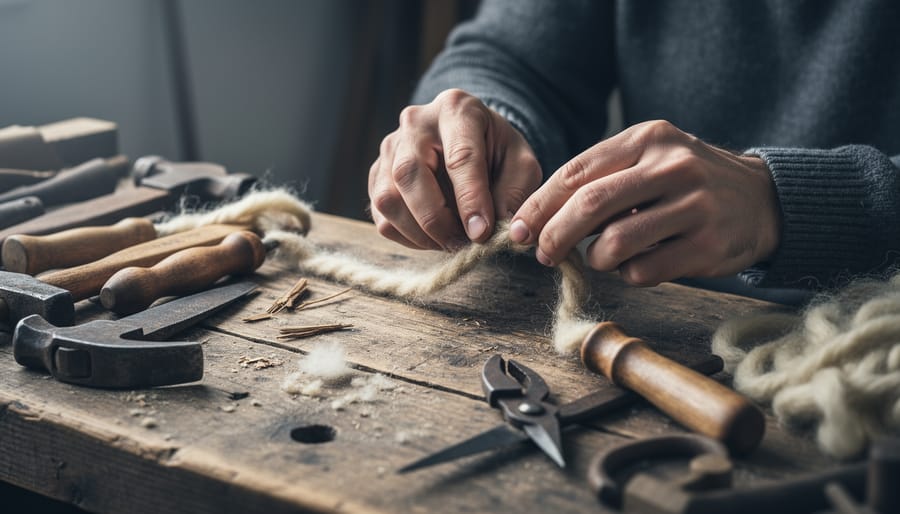
Step back into the warmth of a Victorian-era workshop and discover the satisfaction of creating something beautiful with your own hands. These heritage craft workshops invite visitors of all ages to learn traditional skills that kept 19th-century families productive and creative during long Ontario winters.
Under the gentle guidance of knowledgeable volunteer instructors, many of whom are passionate about preserving these heritage techniques, you’ll work with authentic materials and tools. Try your hand at dipping beeswax candles, watching as layer after delicate layer builds into a taper that would have lit a settler’s home. The workshops rotate seasonally, so you might also find yourself spinning wool fibres into yarn, crafting evergreen wreaths using period methods, or creating ornaments from natural materials gathered on the museum grounds.
What makes these workshops special is the tangible connection they forge between past and present. Children delight in seeing raw materials transform before their eyes, while adults often find unexpected calm in the rhythmic motions of these traditional crafts. The instructors don’t just teach technique, they share stories of how these skills sustained families through harsh winters, turning necessity into artistry.
Each participant leaves with a handmade treasure and a deeper appreciation for the resourcefulness of early Canadian settlers. Space is limited to ensure personalized instruction, so advance registration is recommended. Whether you’re discovering a new hobby or creating a meaningful keepsake, these workshops offer a rare chance to slow down and craft something with intention.
4. Outdoor Ice Skating & Heritage Games
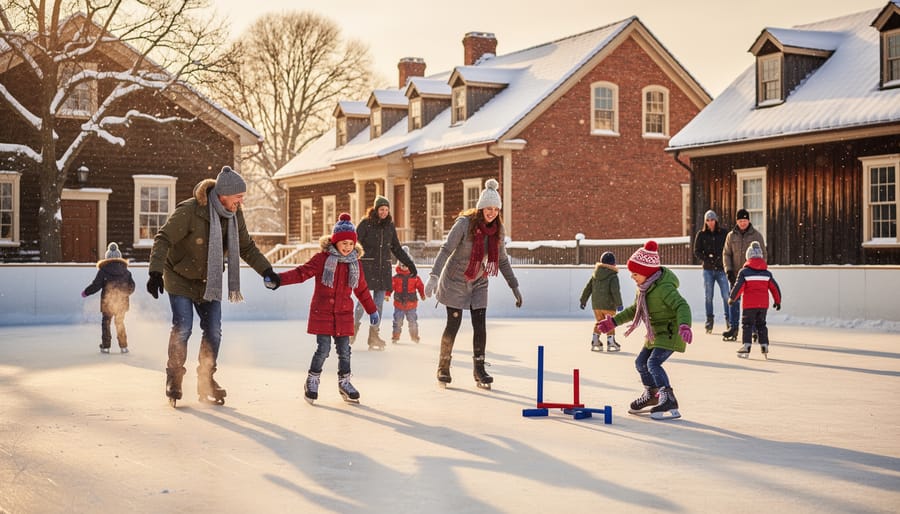
When winter blankets the battlefield grounds in fresh snow, families gather for old-fashioned outdoor fun that connects them to the past. Though ice skating availability varies by season and weather conditions, when conditions permit, the park transforms into a community gathering space where children and grandparents alike lace up their skates. The outdoor rink becomes a stage for multigenerational play, echoing the spirit of 19th-century Canadian winters when entire communities came together despite the cold.
Beyond skating, heritage interpreters lead traditional winter games that early settler families enjoyed, activities like tug-of-war, sack races on snow, and hoop rolling adapted for winter terrain. These hands-on experiences teach visitors how pioneer children found joy and exercise during long Ontario winters without modern conveniences. Volunteers often share family stories passed down through generations about winter play.
The atmosphere rivals the community warmth found at celebrations like the Festival of Lights though here the focus remains on heritage rather than the spectacle of winter light nights. The experience captures something essential: winter doesn’t have to mean staying indoors. Bring warm layers, extra mittens for little ones, and prepare to rediscover the simple pleasure of outdoor winter play in a setting where history comes alive through movement and laughter.
5. Winter Heritage Tours
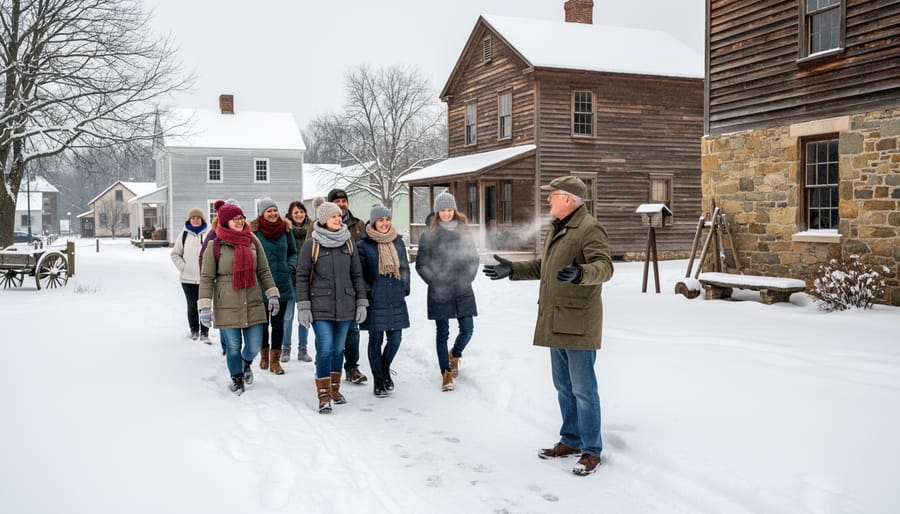
Slip through the wooden gate and into a world where winter meant survival, not inconvenience. The guided heritage tours at Battlefield House Museum & Park transform a casual visit into an eye-opening journey through Canada’s coldest chapters. Knowledgeable guides, many of them passionate volunteers who’ve spent years studying early 19th-century life, lead small groups through the restored rooms and snow-dusted grounds, revealing how families endured months of sub-zero temperatures without central heating, insulated windows, or grocery stores.
You’ll learn why the kitchen fireplace served as the household’s heart, where families cooked, gathered for warmth, and slept on especially bitter nights. Guides demonstrate ingenious solutions: straw-insulated walls, layered wool clothing, root cellars dug deep beneath the frost line. The contrast is startling. We complain when the thermostat dips to 18 degrees; these settlers thrived at temperatures we’d consider emergencies.
Tours shift between indoor spaces and outdoor stops where battles were fought in February’s grip. The frozen landscape becomes a teaching tool. Stand where soldiers stood, feel that wind, and the history stops being abstract. Some evening tours offer atmospheric lamplight experiences, if you’re interested in capturing that mood, you might also enjoy night photography ideas for winter settings.
Each tour runs about 75 minutes and welcomes curious minds of all ages. Dress warmly; authenticity means stepping outside.
6. Seasonal Festival & Community Gatherings
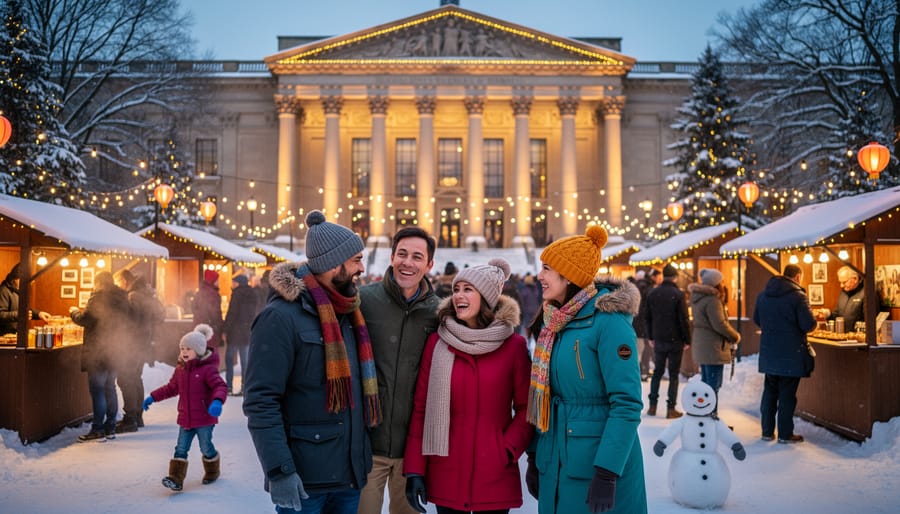
Throughout the winter season, Battlefield House Museum & Park transforms into a vibrant gathering place where heritage and celebration intertwine. The site hosts a rotating calendar of special events that bring the community together in the spirit of 19th-century Canadian traditions reimagined for modern families. From candlelit holiday evenings featuring period music and seasonal storytelling to spirited Winterfest weekends complete with sleigh rides, hot cider stations, and heritage craft markets, these gatherings capture the warmth and resilience that defined early settler communities facing Ontario’s harsh winters.
What makes these festivals truly special is their authentic connection to local culture and history. Many events recreate traditional winter celebrations observed by the families who once called this land home, offering visitors a window into how communities forged bonds during the coldest months. You might find yourself joining a historic wassailing ceremony, learning traditional folk dances in the museum’s period rooms, or sampling recipes from heritage cookbooks prepared over open hearths. The programming deliberately celebrates the diversity of early Canadian settlement, acknowledging the Indigenous, British, Loyalist, and immigrant influences that shaped the region’s cultural tapestry.
Volunteer opportunities abound during these community gatherings. The museum actively recruits enthusiastic locals to serve as costumed greeters, activity facilitators, craft instructors, and event coordinators. It’s a chance to contribute directly to preserving and sharing regional heritage while connecting with neighbours who share your passion for cultural celebration. Whether you attend as a visitor or volunteer, these festivals deliver the genuine community spirit that makes winter in Ontario feel less like endurance and more like an invitation to gather, share, and celebrate together.
7. Photography & Nature Walks
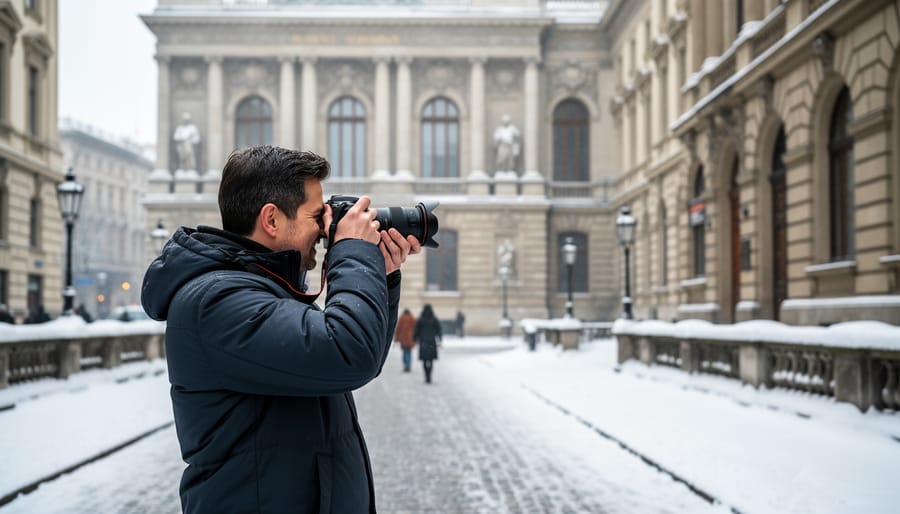
Winter transforms Battlefield House Museum & Park into a photographer’s canvas, where heritage architecture meets pristine snowscapes. The self-paced nature walks allow you to capture stunning compositions at your own rhythm, whether you’re wielding a professional camera or simply your smartphone.
The snow-draped Georgian brick of Battlefield House itself provides dramatic contrast against winter skies, while frost-covered heritage fencing and period outbuildings offer countless frame-worthy details. Early morning visits reward you with soft light illuminating snow-laden branches, and late afternoon brings long shadows that emphasize the historic landscape’s gentle contours.
The walking trails wind through areas where native trees and winter-hardy plants create natural frames for your shots. You might photograph chickadees flitting between ice-crusted brambles, or track patterns left by wildlife across fresh snowfall. Many photographers return throughout the season to document how the same views shift with changing snow conditions and light.
This quiet activity suits contemplative souls seeking respite from busier winter pursuits. There’s no pressure to keep pace with a group or follow a structured program. Bring warm layers, wear waterproof boots, and give yourself at least an hour to wander mindfully. The grounds remain accessible during daylight hours, making this an ideal activity for locals wanting to explore their heritage site across multiple winter visits.
Planning Your Winter Visit
Planning a winter visit to Battlefield House Museum & Park requires a bit of preparation, but the payoff is an enriching heritage experience wrapped in the beauty of a Canadian winter. The museum typically maintains seasonal hours during the colder months, which may differ from summer operations, so call ahead or check the official website before you go. Many winter programs run on weekends or during school breaks, though special events may extend weekday availability.
Dress for the weather, winter in Ontario demands warm layers, waterproof outerwear, and insulated boots, especially if you’re planning outdoor activities like snowshoeing or skating. Thermal socks and gloves make all the difference when you’re exploring the grounds. Bring a camera to capture the snow-draped historic buildings, and if you’re attending craft workshops, wear clothes you don’t mind getting a bit messy.
The site offers accessible parking close to the main building, and staff work to keep pathways clear during winter, though some outdoor trails may present natural challenges in snowy conditions. If you have mobility concerns, contact the museum in advance to discuss accommodations and which activities suit your needs best. For the most current details on seasonal programming, winter closures, or volunteer opportunities, visit the museum’s website or follow their social media channels, where they announce festive events and last-minute schedule changes.
Frequently Asked Questions
Is Battlefield House Museum open during winter?
Yes, the museum welcomes visitors year-round, though winter hours may vary seasonally. Check their website or call ahead to confirm current operating schedules and special event dates before planning your visit.
Are the winter activities suitable for young children?
Absolutely. Most winter programmes are designed with families in mind, from gentle snowshoe trails to hands-on craft workshops. Heritage storytelling sessions and outdoor games engage children of all ages, making history come alive in ways that captivate young imaginations.
How can I volunteer at the museum?
The museum thrives on community support and regularly seeks volunteers for heritage interpretation, event assistance, and programme delivery. Contact the museum directly through their website or visitor services desk to learn about current opportunities and training sessions.
Is there an admission fee?
Admission fees help support the museum’s preservation and educational programmes. Pricing varies for adults, seniors, students, and families, with some special events requiring separate tickets. Many volunteer roles offer complimentary access as a thank-you for your service.
Do I need to bring my own snowshoes?
Snowshoe rentals are typically available on-site during winter months, making the trails accessible even if you don’t own equipment. It’s wise to confirm availability and any associated rental fees when you book your visit or arrive at the park.
Planning ahead ensures you make the most of your winter visit to Battlefield House Museum & Park. Dress warmly in layers, wear waterproof boots, and bring a water bottle. The museum’s welcoming staff and volunteers are always ready to answer questions and help you navigate the seasonal offerings, ensuring every visitor feels at home exploring this cherished piece of Canadian heritage.