
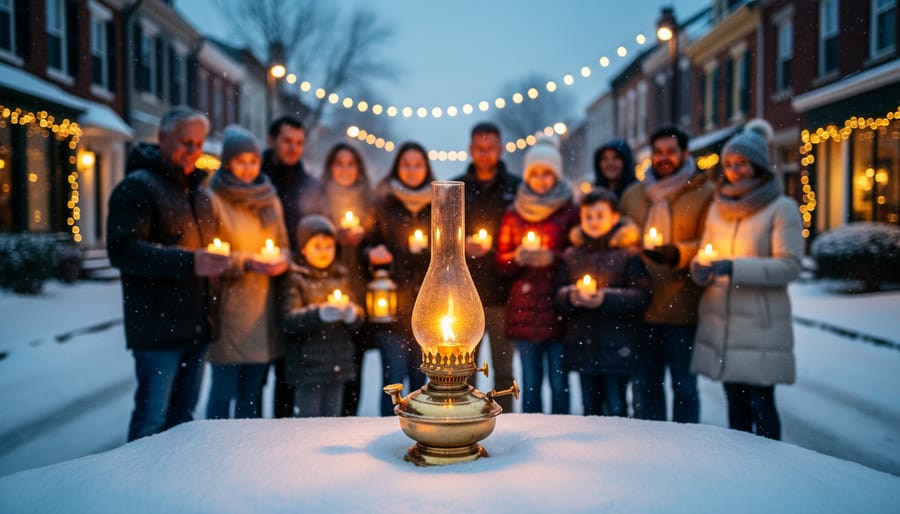
Festivals of lights shine across cultures for one essential reason: they mark humanity’s triumph over darkness, both literal and symbolic. Whether celebrating the victory of good over evil, the return of longer days, or the resilience of faith against oppression, these luminous gatherings tap into our deepest need for hope during the darkest months of the year.
If you’re puzzled about why so many cultures light candles, lanterns, and fireworks around the same time each year, the answer lies in a blend of ancient astronomy, spiritual traditions, and community survival. Most festivals of lights cluster between October and January, when winter’s grip tightens across the Northern Hemisphere and our ancestors desperately needed reasons to believe in renewal.
The quick diagnostic: check which festival you’re curious about. Diwali, the Hindu festival of lights, celebrates Lord Rama’s return from exile. Hanukkah commemorates the miracle of oil lasting eight days in Jerusalem’s temple. Christmas candles honour the birth of Christ, while Kwanzaa’s kinara flames represent African heritage and unity. Each tradition carries its own story, yet all share the powerful act of kindling light when nature offers the least.
Understanding why communities celebrate these festivals helps you join in with respect and genuine appreciation. Ontario’s incredible cultural diversity means you can experience authentic Diwali celebrations in Brampton, Hanukkah markets in Toronto, and countless other luminous traditions right in your neighbourhood. Many welcome volunteers and newcomers eager to learn, creating bridges between cultures through the universal language of light and hope.
What You’re Really Asking: Understanding the Festival of Lights Question
When you search “why is the festival of lights celebrated,” you’re actually asking one of several different questions, and knowing which one matters helps you find the answer that resonates with you.
The phrase “festival of lights” carries multiple meanings across different contexts. You might be curious about a specific religious observance your neighbour mentioned, wondering about the historical roots of light-based celebrations, or trying to understand what happens at that winter festival you saw advertised in your community. Each angle leads to a different story, yet all share the common thread of light symbolizing hope, renewal, and connection.
Here are the most common questions behind this search:
- Religious traditions: Why do faiths like Hinduism, Judaism, or Buddhism celebrate with lights?
- Cultural origins: What historical events or seasonal changes inspired these festivals?
- Modern winter festivals: What’s the purpose of contemporary light displays and community celebrations?
- Local events: What happens at specific festivals like Ontario’s River Lights Winter Festival?
- Universal themes: Why do humans across cultures celebrate with light during dark seasons?
Your starting point shapes your journey into understanding these celebrations. If you’re attending a local Ontario festival for the first time, you’ll find practical answers about community gathering and winter celebration. If you’re exploring spiritual traditions, you’ll discover centuries of religious meaning. If you’re simply captivated by the beauty of thousands of lights against a winter sky, you’re connecting to something humans have felt since our ancestors first gathered around fire.
Let’s explore each of these perspectives to give you a complete picture of why we celebrate with lights.
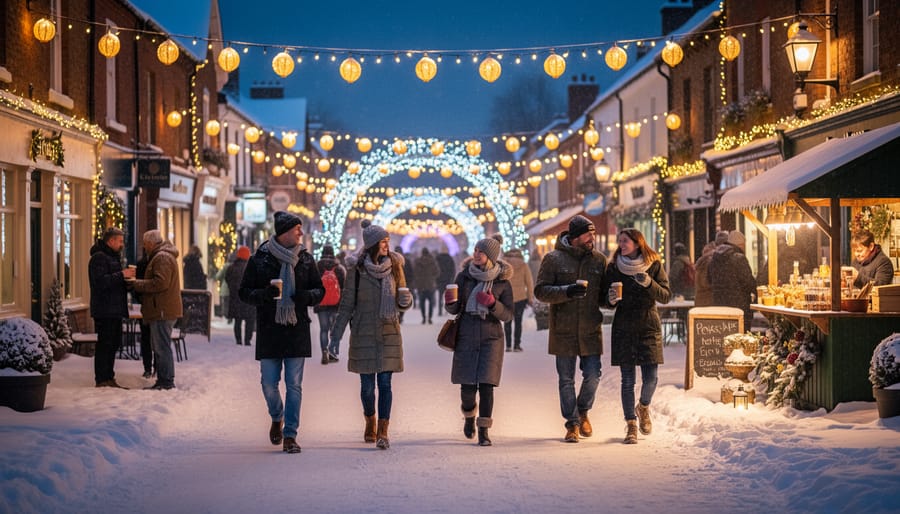
The Many Reasons Behind Light Festivals
Ancient Roots: Light in the Darkest Season
Long before electric displays lit up city squares, our ancestors gathered around flames during the year’s darkest days. The winter solstice, when the sun reaches its lowest point and night stretches longest, created both practical challenges and profound anxiety across ancient societies. Would the sun return? Would warmth come again?
Communities responded by kindling winter solstice fire and light rituals that served as both defiance against darkness and celebration of the sun’s gradual return. From Norse bonfires to Roman Saturnalia candles, these ceremonies marked humanity’s oldest seasonal tradition. People didn’t just light fires for warmth or visibility, they created symbolic beacons of hope, gathering in shared acknowledgment that light would prevail over darkness.
These ancient practices weren’t isolated customs. Cultures from Persia to China, separated by thousands of kilometres, independently developed solstice light traditions around the same time each year. This universal human impulse to celebrate returning light laid the foundation for virtually every winter festival we recognize today, including modern Ontario celebrations like the River Lights Winter Festival.
Religious and Cultural Traditions
Across the globe, spiritual traditions have turned to light as a symbol of hope, renewal, and triumph over darkness. Origins of Hanukkah lights trace back to the rededication of Jerusalem’s Temple in 165 BCE, when a single day’s worth of sacred oil miraculously burned for eight nights. Today, Jewish families honour this miracle by lighting the menorah each evening of the festival, which Hanukkah lasts eight days and typically falls in late November or December.
Diwali, the Hindu festival of lights celebrated each autumn, marks the victory of light over darkness and good over evil. Millions of families light oil lamps called diyas, covering homes and temples in a warm glow that celebrates knowledge prevailing over ignorance. The Sikh community observes Bandi Chhor Divas around the same time, illuminating Gurdwaras with candles and lights to commemorate Guru Hargobind’s release from imprisonment.
These traditions share a common thread: light represents hope, resilience, and the human spirit’s refusal to surrender to darkness.
Modern Community Celebrations
Today’s light festivals blend ancient traditions with modern creativity, transforming winter darkness into opportunities for community connection. Events like Ontario’s River Lights Winter Festival exemplify this evolution, they’re not tied to a single religious tradition but instead celebrate our shared humanity through illuminated art installations, lantern-making workshops, and collective experiences that bring neighbours together.
These contemporary celebrations address something fundamental: our need for warmth and togetherness during the coldest months. Rather than observing from home, communities gather outdoors to create light together, whether through projection mapping on historic buildings, interactive light sculptures, or candlelit processions along frozen waterways. The focus shifts from passive viewing to active participation, inviting volunteers and visitors alike to contribute to the spectacle and forge connections that outlast the festival itself.
How to Experience a Festival of Lights in Ontario
Finding Local Light Festivals
Discovering light festivals near you starts with checking local tourism websites and community event calendars, especially from November through February when most celebrations occur. Municipal recreation departments often list seasonal events, while social media groups dedicated to Ontario festivals provide insider tips on lesser-known gatherings. Many festivals, like Wild Lights at various locations, return annually with similar dates, so marking your calendar now helps you plan ahead. Don’t overlook smaller community celebrations in nearby towns, these intimate events often offer the warmest atmosphere and easiest volunteer opportunities. Sign up for newsletters from regional arts councils and cultural centres to receive announcements about both established festivals and exciting new celebrations launching each season.
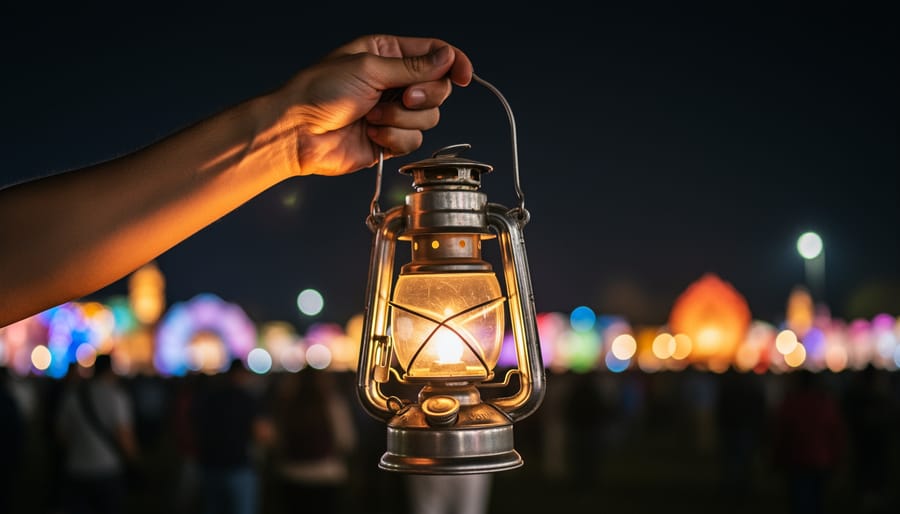
Planning Your Visit
Check the festival’s website for specific dates and operating hours before you go, many light festivals run nightly throughout December and early January, but some have special extended hours on weekends. Dress warmly in layers; even mild Canadian winters feel colder when you’re strolling outdoors for an hour or two. Waterproof boots are essential if there’s snow or slush.
Arrive just after sunset for the full effect as lights emerge against the darkening sky. Bring a camera or smartphone with night mode enabled, though sometimes it’s better to simply be present rather than viewing everything through a screen. If you’re attending with children, pack hand warmers and hot chocolate money, most festivals have warming stations and food vendors.
A quality winter light experience rewards those who take their time; don’t rush through. Pause at installations that catch your eye, chat with volunteers about the artwork, and soak in the atmosphere. Many festivals offer interactive elements or photo opportunities, so leave space in your schedule to participate rather than just observe. Consider visiting twice if possible, once early in the season and again closer to the holidays when crowds bring extra energy.
Getting Involved as a Volunteer
Volunteering transforms you from spectator to creator. Most Ontario light festivals, including River Lights, run entirely on volunteer energy, setup crews string lights through November cold, greeters welcome families at festival entrances, and cleanup teams preserve community spaces after the final night.
Start by checking festival websites for volunteer registration pages, typically posted in early autumn. Roles range from technical (wiring light installations) to social (guiding visitors through displays) to behind-the-scenes (coordinating donations). Many festivals offer family volunteer shifts, perfect for teens earning community service hours while building memories.
The payoff extends beyond helping your community. You’ll learn installation techniques, meet fellow festival enthusiasts, and often receive perks like recognition events or preview access before public opening nights.
Making It a Family Tradition
Transforming your first visit into a yearly ritual creates lasting memories. Set a specific date, perhaps the second Saturday of December, so everyone can anticipate and plan for it. Take photos at the same spot each year to watch your children grow against the backdrop of twinkling lights. Many families extend the tradition by visiting different festivals across Ontario; one year you might explore the Riverbanks Zoo lights the next you’ll discover a new community celebration. Pack hot chocolate in thermoses, bring along the same festive scarves, or create a tradition of writing wishes on paper lanterns. Consider volunteering together as your kids get older, it deepens their connection to the event and teaches community involvement. These shared experiences become the stories you’ll tell for decades.
The River Lights Winter Festival: Ontario’s Celebration of Light
The River Lights Winter Festival transforms Aurora into a glowing wonderland each December, embodying everything that makes light festivals meaningful while adding distinctly Canadian character. Held along the town’s heritage streetscape, this festival combines traditional light symbolism, the triumph over winter darkness, with contemporary art installations, live performances, and community warmth that draws thousands despite the cold.
What sets River Lights apart is its commitment to local artistic talent and volunteer-driven spirit. Rather than importing generic light displays, the festival showcases installations created by Ontario artists, often incorporating Indigenous perspectives on winter celebration and light as a sacred element. You’ll encounter interactive light sculptures that respond to movement, projection mapping on historic buildings, and candlelit pathways that reference centuries of winter festivals. The event runs multiple evenings throughout December, typically featuring themed nights like Opening Ceremony, Family Night, and the grand New Year’s Eve Celebration.
Visitors can expect live music on outdoor stages (dress warmly), artisan vendors selling handcrafted items in heated tents, and food trucks offering everything from hot chocolate to poutine. The festival deliberately schedules activities for all ages: children’s lantern-making workshops start at 4 PM, while fire performances and DJ sets energize later evenings. Unlike massive commercial light shows, River Lights maintains an intimate scale where you’ll chat with the artists who created the installations and the volunteers who strung thousands of lights by hand.
The festival’s location in Aurora, just 40 minutes north of Toronto, makes it accessible for day trips while offering small-town hospitality. Parking is organized through local churches and community centres, with shuttle service on peak nights. More Ontario festivals celebrate with lights throughout winter, but River Lights distinguishes itself through authentic community engagement rather than spectacle alone.
Keeping the Spirit of Light Festivals Alive Year-Round
Light festivals remind us that we carry the power to brighten our communities and lives every single day. You don’t need to wait for winter or a formal event to keep the magic going simple acts of illumination and connection can sustain that festival spirit throughout the year.
Create your own light rituals at home. Light candles during family dinners, string fairy lights on your balcony for quiet evenings, or designate one night each month for a special candlelit gathering. These small gestures echo the intentionality behind grand festivals and anchor you to something meaningful.
Stay connected to festival communities between events. Many festivals, including River Lights Winter Festival, maintain active social media presence and volunteer networks year-round. Following these groups keeps you informed about planning opportunities and lets you contribute ideas for future celebrations. Volunteering during the off-season, helping with grant applications, publicity, or site preparation, deepens your connection to these events.
Support local artists and light installations throughout all seasons. Visit galleries featuring illuminated art, attend outdoor projection events, or participate in community beautification projects that incorporate lighting. When you encounter public art that uses light creatively, pause to appreciate it the way you would at a festival.
Share stories and traditions from the festivals you attend. Talk about your experiences with friends, post photos that capture the atmosphere, and explain what these celebrations mean to you. This storytelling keeps the spirit alive and invites others into the community.
Frequently Asked Questions
What is the most common festival of lights celebrated worldwide?
Diwali, the Hindu festival of lights, is celebrated by over one billion people globally, making it the most widely observed light festival. However, many cultures have their own distinct light celebrations, including Hanukkah, Loy Krathong, and modern community festivals like Ontario’s River Lights Winter Festival.
Why do light festivals typically happen in winter?
Most light festivals occur during winter months because this is when darkness is longest and most profound in the Northern Hemisphere. The tradition of celebrating with light during the darkest time of year connects to both ancient solstice observances and the human need for hope and warmth during cold, dark seasons.
Can anyone participate in festivals of lights regardless of their religion or background?
Yes, most modern community light festivals welcome everyone, regardless of religious or cultural background. Events like the River Lights Winter Festival are specifically designed as inclusive celebrations that bring diverse communities together through the universal symbol of light.
These questions reflect what many visitors wonder before attending their first light festival. The beauty of these celebrations lies in their ability to transcend individual traditions while honouring the rich cultural heritage behind them. Whether you’re drawn to the spiritual significance, the artistic displays, or simply the communal warmth, there’s a place for you at Ontario’s winter light celebrations.
Key Terms
- Diwali
- A five-day Hindu festival celebrating the victory of light over darkness, observed by lighting oil lamps (diyas) and fireworks. Also celebrated by Sikhs, Jains, and Buddhists with varying spiritual significance.
- Hanukkah
- An eight-day Jewish festival commemorating the rededication of the Second Temple in Jerusalem, celebrated by lighting candles on a menorah each night. Also known as the Festival of Lights.
- Winter Solstice
- The shortest day and longest night of the year in the Northern Hemisphere (around December 21), historically marked by light celebrations across many cultures to symbolize hope and the return of longer days.
- Lantern Festival
- A traditional celebration observed in various cultures, typically involving the display of decorative lanterns to mark significant occasions. In Chinese culture, it concludes the Lunar New Year celebrations on the fifteenth day of the first lunar month.
- Community Light Festival
- A modern gathering that uses light displays, installations, and activities to bring communities together during darker months. Examples include Ontario’s River Lights Winter Festival and similar events that blend artistic expression with seasonal celebration.
Understanding these terms helps clarify the rich tapestry of light celebrations that inspire modern festivals across Ontario and beyond. Whether rooted in ancient tradition or contemporary community spirit, each shares that fundamental human impulse to illuminate the darkness and gather together in hope.
Light festivals connect us to something ancient and essential, the human need for warmth, hope, and community when darkness surrounds us. Whether rooted in religious tradition, seasonal celebration, or artistic expression, these events remind us that we’re part of a shared story stretching back thousands of years.
Ontario’s light festivals, especially the River Lights Winter Festival, offer you a chance to experience this magic firsthand. You’ll find yourself standing among neighbours and strangers alike, faces illuminated by countless lights, feeling that same sense of wonder our ancestors felt around their winter fires.
This winter, don’t just read about these celebrations. Bundle up, bring your loved ones, and step into the glow. Better yet, volunteer and help create the magic for others. Light festivals exist because communities come together to push back the darkness, and Ontario’s festival community is waiting to welcome you.