
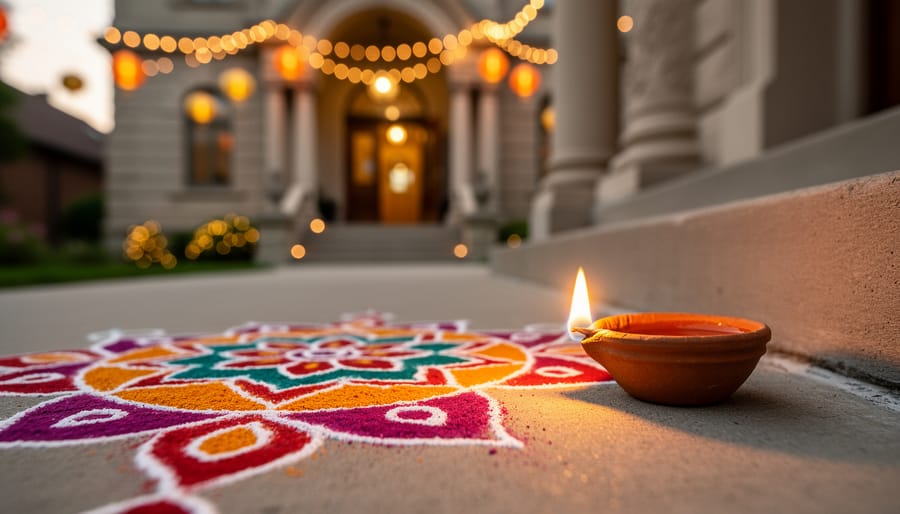
Diwali in Toronto arrives in the autumn, usually between mid-October and mid-November, with the main celebration falling on the new moon night of the Hindu lunar month of Kartik. The festival follows the lunar calendar, so the date shifts from year to year, and that’s the single biggest factor in timing your visit. Community events, though, rarely stick to one day. Temples, cultural associations, and neighbourhood groups across the GTA often stretch festivities over several weekends, so you can catch glowing diyas, rangoli artistry, dance performances, and plenty of sweets well before or after the official night.
Toronto’s South Asian communities are among the largest and most vibrant in Canada, and that diversity shows. Expect everything from temple prayers and family open houses to big public gatherings where neighbours of every background come together. As the first light-filled gathering of the Canadian winter festival season, Diwali is also a warm, welcoming place to lend a hand. Many community organizers happily welcome volunteers, which makes it a wonderful way to meet people and see the celebration from the inside. Below, you’ll find the timing windows, what moves the dates, and how to plan your visit.
Quick Answer: When Toronto Celebrates Diwali
Diwali doesn’t sit on the same calendar date each year. It follows the Hindu lunar calendar, which means it usually lands somewhere in October or November. In Toronto, celebrations gather around the main festival day itself, then spill into the weekends just before and after, when families, friends and neighbours can actually come together.
For 2026, the smart move is to confirm exact dates and event schedules directly with organizers. Line-ups and timings are set by the groups hosting each gathering, so their listings are always the most reliable source.
The good news is that Diwali is a five-day festival, so the glow stretches well beyond a single evening. Between temple ceremonies, community gatherings and weekend cultural showcases, there are plenty of chances to join in. Even if one date doesn’t suit your schedule, another is usually just around the corner, with diyas flickering and sweets waiting to be shared.
Understanding the Five Days of Diwali
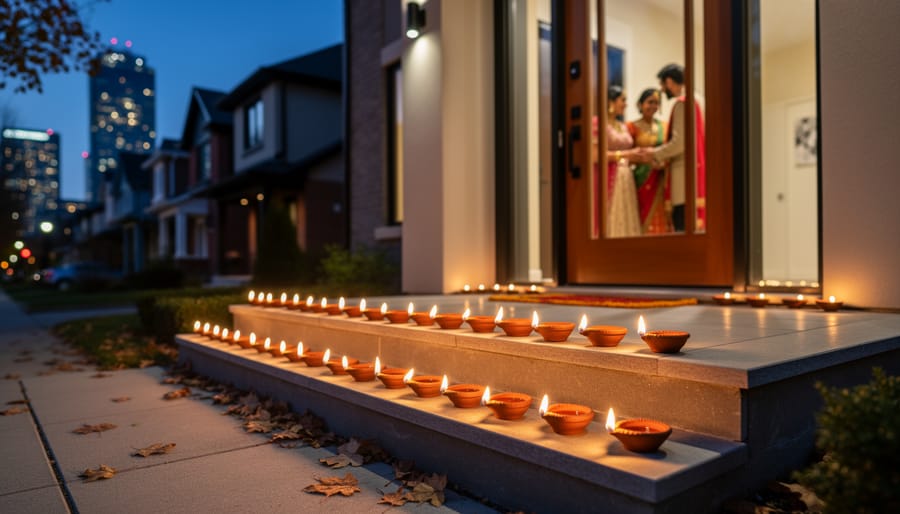
At its heart, Diwali is a celebration of light triumphing over darkness, and that idea shapes everything you’ll see in Toronto, from glowing diyas in windows to dazzling cultural showcases. If you’d like the deeper story behind the glow, our guide to festival of lights origins is a lovely place to start.
The festival unfolds over five days, and each one has its own character. That’s exactly why programming varies so much from one date to the next. Some days call for quiet family rituals at home or temple, while others burst into music, dance and shared feasts that welcome everyone.
- Dhanteras (Day One)
- A day for welcoming prosperity, when many families tidy their homes and light the first lamps of the season.
- Lakshmi Puja (Day Three)
- The main festival evening, honouring Lakshmi, the goddess of fortune, with prayers, rows of diyas and often fireworks or community gatherings.
- Govardhan Puja (Day Four)
- A day of gratitude and feasting, often marked with generous spreads of vegetarian dishes shared with neighbours.
- Bhai Dooj (Day Five)
- A tender celebration of sibling bonds, where brothers and sisters exchange blessings, gifts and mithai (traditional sweets).
Day two, often called Choti Diwali, is a gentler lead-in to the big night, with decorating and rangoli, the colourful floor art that greets guests at the door.
Because the biggest public gatherings tend to centre on the main evening and the weekends around it, understanding these five days helps you choose the moments that suit you best, whether that’s a sparkling night out or a calm, meaningful afternoon.
Timing Windows: Weekdays, Weekends and Evenings
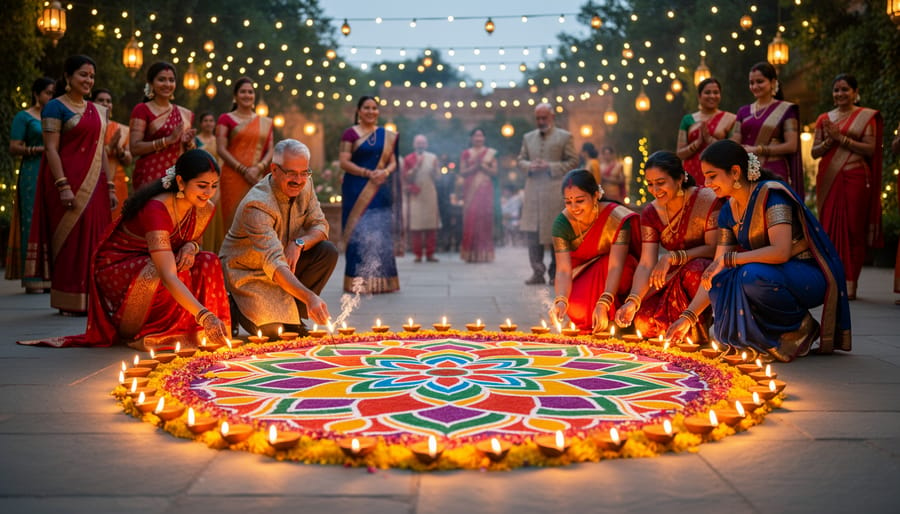
Diwali in Toronto tends to follow a few predictable rhythms, even though the exact dates move with the lunar calendar. Knowing them makes it easy to pick the moment that suits your crew.
| Timing Window | Typical Experience | Best For |
|---|---|---|
| Festival day | Temple and community-centre ceremonies, prayers, shared sweets | Culture enthusiasts, first-timers wanting meaning behind the traditions |
| Weekend before | Cultural showcases, markets, dance and music performances | Families, first-timers |
| Weekend after | Large public festivals, food stalls, community gatherings | Families, groups of friends |
| Evenings | Glowing diyas, string lights, fireworks and late performances | Couples, photographers, culture enthusiasts |
On or near the festival day itself, the mood is devotional and welcoming. Temples and community centres host ceremonies, and visitors are usually glad to be invited in. Weekends on either side tend to bring the big, joyful gatherings, with stages, dancing and plenty of food, so they’re often the easiest windows for newcomers.
If you’re travelling with little ones, daytime programs are your friend. Afternoon showcases are bright, a touch quieter, and easier on bedtimes. Once the sun sets, though, the festival truly shines. Rows of lamps, rangoli and twinkling lights turn the whole scene golden, and many locals say that’s when Diwali feels most alive. Treat it like picking the best autumn evening for any lantern-lit outing: dress warmly, arrive just before dusk, and linger.
Volunteers are often needed across every window, so if you’d like to help, ask organizers where a hand is welcome.
Factors That Shift Timing From Year to Year
Diwali never sits on the same spot on the Gregorian calendar, and that surprises many first-time planners. Because it follows the Hindu lunar calendar, the main festival day shifts from one year to the next, usually landing somewhere in October or November. It’s a bit like Easter that way: the date moves, but the joy stays put.
The lunar calendar is only part of the picture. Several everyday factors nudge when and how Toronto celebrates:
- The lunar calendar, which sets the main festival day each year.
- Community and temple schedules, since different traditions mark the five days a little differently.
- Venue bookings, as halls, parks and community centres fill up quickly in the busy autumn season.
- Weekday versus weekend placement, which often decides when the biggest public gatherings happen.
- Autumn weather, because crisp, rainy or chilly evenings can influence outdoor plans.
School and workweek schedules matter too. When the festival day falls midweek, many families hold their larger celebrations on the nearest weekend so everyone can come together, kids and grandparents included.
Here’s the good news: this flexibility is part of the festival’s charm. Celebrations ripple across several days and weekends, so there’s rarely just one chance to join in. Plan with a little room to spare, keep an eye on organizer listings, and dress warmly for those lovely cool evenings. You’ll find a warm welcome whichever day you choose.
How to Plan Your Diwali Visit in Toronto
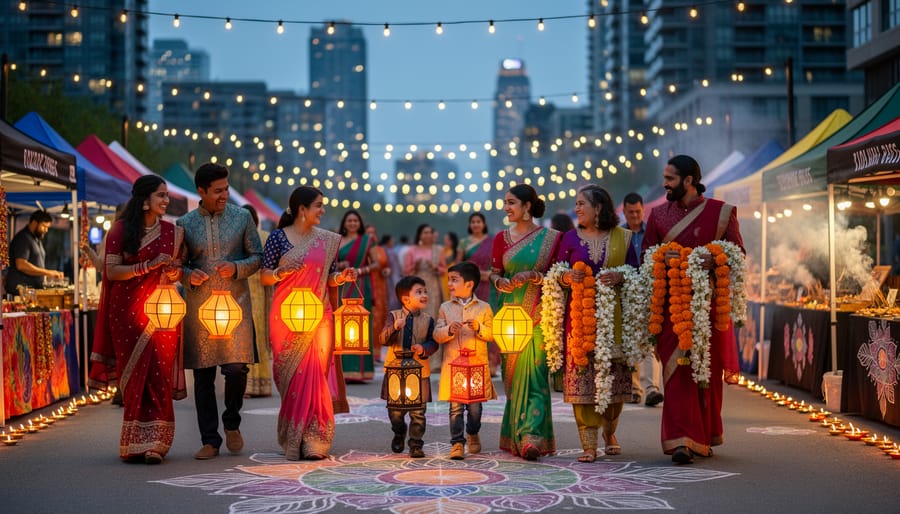
Planning a Diwali outing in Toronto is part of the fun, and a little preparation goes a long way. The city’s celebrations unfold across many neighbourhoods, from temple courtyards and community halls to big public gatherings, so there’s a style of evening for nearly everyone. Here’s an easy way to get ready:
- Confirm the dates. Diwali moves with the lunar calendar, so check organizer listings and community pages for the current year’s schedule before you pick a day.
- Choose your kind of celebration. A quiet temple ceremony, a lively cultural showcase with dance and music, and a family-friendly craft afternoon each offer a very different mood.
- Decide on daytime or evening. Kids often love earlier events, while the glow of lamps and lights is at its most magical after dark.
- Layer up for crisp autumn air. Wear comfortable shoes, bring a warm jacket, and tuck a scarf in your bag in case an outdoor evening turns chilly.
- Bring the whole crew. Invite family and friends, and welcome newcomers too, since Diwali is all about sharing the light.
- Pack a reusable bag. You’ll want room for sweets, snacks, and small treasures you pick up along the way.
- Arrive early. You’ll find parking more easily, catch the opening moments, and soak up the atmosphere as the space fills with colour.
Once you’re there, take a moment to notice the diversity around you. Toronto’s celebrations reflect many languages, traditions, and family recipes, and each neighbourhood adds its own flavour to the festival. Say hello, try something new, and let the community spirit carry you.
Volunteer and Get Involved
Diwali is at its best when everyone chips in, and Toronto’s celebrations rely on neighbours, friends and first-time guests lending a hand. Many gatherings welcome volunteers to greet visitors at the door, hand out programs, and guide families to the right spot. Others need help decorating halls with marigold garlands, setting out diyas and laying down colourful rangoli, which is a lovely way to learn the art alongside people who have practised it for years.
If you enjoy the kitchen, you might join the team serving sweets and shared meals, or help with setup and cleanup so everyone can linger over the festivities. Cultural performances also depend on volunteers who help with stage crews, costume changes and keeping young dancers calm before their big moment.
Reach out to local organizers early, since volunteer spots can fill up as the festival nears. Whatever your skills, there is a place for you in the glow.
Aftercare: Keeping the Glow Going After Diwali
When the last diya flickers out, the glow doesn’t have to fade with it. Start with the best part: those leftover sweets. Share a box of barfi or laddoo with neighbours, coworkers or friends who couldn’t make it, because Diwali treats taste even sweeter when passed around.
Then tidy up with care. Many families treat rangoli and lamps as sacred, so sweep colored powders gently, let cooled diyas rest before storing them, and place wilted flowers in the garden or compost rather than the trash.
Take a moment to share your photos and memories, too. Tag organizers, send pictures to the people you celebrated with, and jot down a favourite moment while it’s fresh.
The celebration can carry on all year long. Support local South Asian restaurants, sweet shops and artisans in your neighbourhood, and stay connected with the community groups and temples that hosted events. Many welcome new volunteers, which is a lovely way to be part of next year’s festival.
Still craving that cozy sparkle? Seasonal celebrations like winter lights displays can keep your festival spirit shining well into the colder months.
Diwali in Toronto: Common Questions
Here are quick answers to the questions we hear most about Diwali in Toronto. Think of it as a friendly starting point before you dive into the full planning steps above.
Are Diwali events free, and are they family-friendly?
Many community celebrations welcome guests at little or no cost, though some ticketed showcases and dinners do charge admission. Most gatherings are warm, all-ages affairs with music, dance and sweets, so families with kids are right at home.
Are newcomers and visitors welcome?
Absolutely! Diwali in Toronto is wonderfully inclusive, and organizers are usually delighted when people from every background come to share in the lights, food and festivities.
What should I wear, and will it be outdoors?
Colourful traditional attire is popular, but comfortable festive clothing is perfectly fine. Some events happen outdoors and others indoors, so layer up for crisp autumn evenings and check each listing for details.
How do I find confirmed dates?
Dates shift with the lunar calendar, so confirm details directly with organizers and community listings each year. Our guide on when to go to another beloved festival of lights shows how timing and duration can vary, which is a handy way to think about planning ahead.
Once you’ve sorted the basics, a little flexibility goes a long way. Pick the event that suits your crew, arrive a touch early for the best atmosphere, and let the glow of the season carry you from there.
As the lamps flicker and the last notes of music drift into the cool evening air, Diwali reminds us why the darker months are so well suited to gathering. It sits at the brightest edge of the Canadian Winter Festivals season, a glowing invitation to step outside, share a plate of sweets with neighbours, and celebrate the light we make together.
Toronto’s mix of cultures is what makes these celebrations so special, and there’s room for everyone to join in. Because dates shift with the lunar calendar, take a moment to check current listings and confirm times with organizers before you go. Then bring friends and family, dress warmly, and arrive with an open heart.
If you’d like to give back, consider volunteering. Whether you’re greeting guests, helping with decorations, or lending a hand in the kitchen, your time helps keep this festival of lights shining brightly for years to come.