
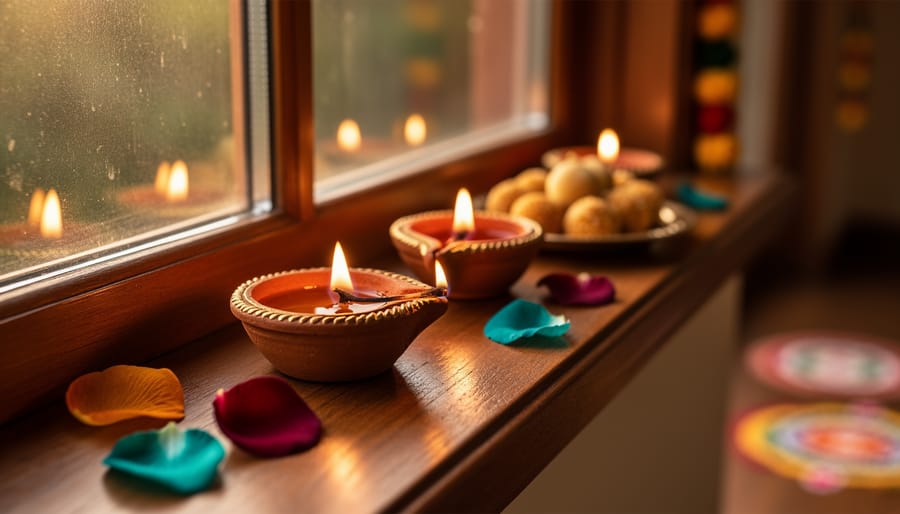
Diwali is the Festival of Lights, a joyful celebration of light over darkness, good over evil, and knowledge over ignorance. It holds deep meaning in Hindu, Sikh, Jain, and Buddhist traditions, and families mark it with glowing lamps, colourful rangoli, sweets, music, and time with loved ones.
In 2026, the main day falls on Sunday, November 8, and the traditional five-day festival runs from around November 6 to 10. Here in Ontario, the celebration is anything but quiet. Toronto, Brampton, Mississauga, and Markham fill with temple gatherings, community events, and shared meals, while one of North America’s biggest Diwali festivals lit up Nathan Phillips Square on October 24 and 25 with free entry. Events across Canada stretch from late September into mid-November, so there’s always a way to join in.
This guide explains what Diwali means, how the five days unfold, what the key traditions and symbols are, and how you can take part, whether you’re coming as a guest, a family, or a volunteer ready to help your community shine.
What Diwali Means: The Festival of Lights in Plain Language
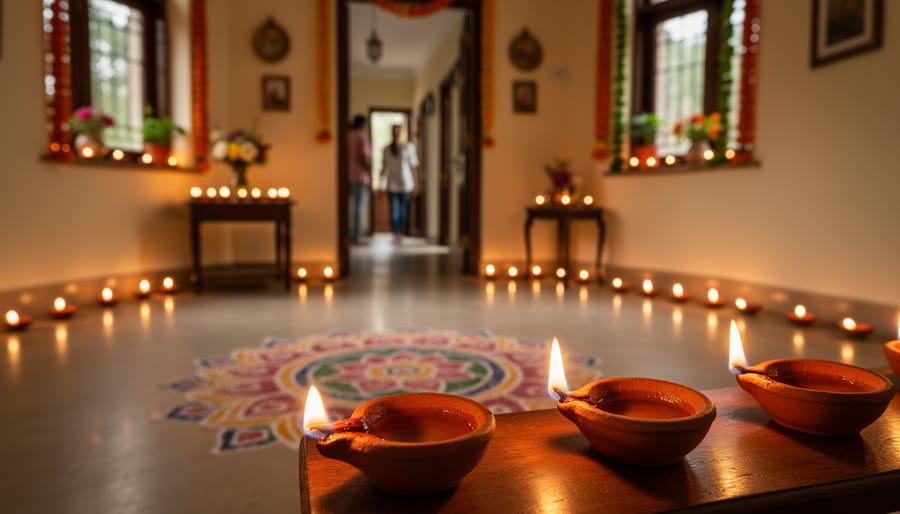
Diwali is the Festival of Lights, and at its heart it’s a celebration of light winning over darkness. Think of glowing lamps in windows, homes tidied and decorated, tables full of sweets, and families and friends gathering close. The mood is joyful and hopeful, a season of renewal when people welcome good things into their lives and share them with others.
What makes Diwali so special is how many communities hold it dear. It’s described as one of the most important celebrations in Hindu, Sikh, Jain, and Buddhist traditions. Each community brings its own meaning, customs and stories to the season, and those stories deserve to be heard in their own voices. If you’re curious about the roots of the festival, you can read more about Diwali origins and how different traditions tell them. Rather than pointing to a single origin story, it’s more honest to say that light, goodness and togetherness are the threads that run through them all.
That spirit of welcome feels right at home in Canada. Our country’s neighbourhoods are wonderfully diverse, and Diwali has become a shared season that people from every background can appreciate. Across Canada, communities host celebrations from late September through mid-November, so there’s plenty of room to learn, taste something delicious, and simply enjoy the glow alongside your neighbours.
How Diwali Works: The Five-Day Celebration and Its Rhythm
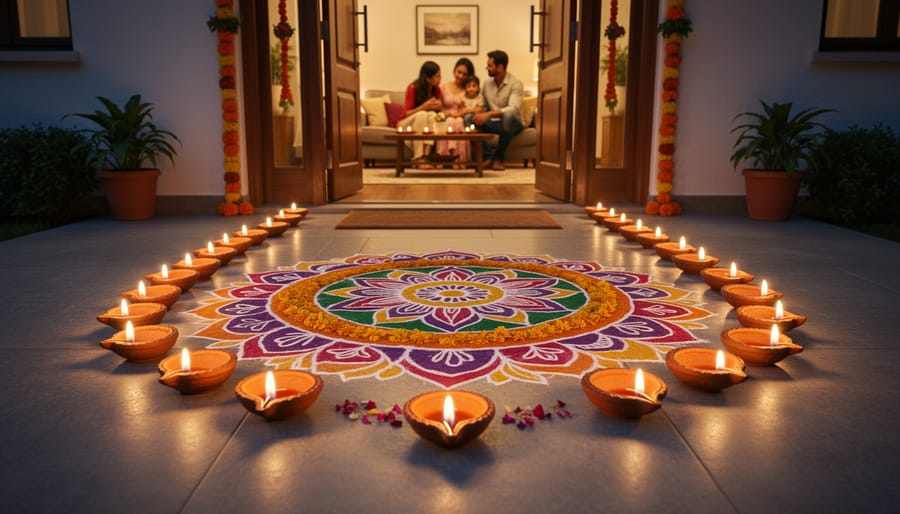
Diwali isn’t a single moment of sparkle. It unfolds like a story, with a gentle build, a glowing high point and a warm, lingering finish. Traditionally, the festival stretches across five days, and families often treat that whole stretch as one long, joyful season of togetherness.
In 2026, here’s how the calendar looks:
- Diwali is traditionally celebrated over five days.
- Festivities run from around November 6 to 10, 2026.
- The main day falls on Sunday, November 8, 2026.
- Community events across Canada run from late September through mid-November.
The days leading up to the main celebration have a lovely sense of anticipation. Homes get a good tidy and a fresh look, doorways are decorated, and kitchens start to smell of something special. It’s a bit like the buzz before a big family reunion, because that’s often just what it is.
As the main day arrives, the mood shifts from preparing to celebrating. Lamps and lights glow in windows and on doorsteps, relatives and friends gather, and tables fill with festive meals and sweets passed from hand to hand. Many families also visit their local temple, where the community comes together in a spirit of gratitude and light. Across the GTA, temple celebrations bring that spirit right into neighbourhoods in Toronto, Brampton, Mississauga and Markham.
What makes the five-day rhythm so special is that nobody celebrates alone. Whether you’re lighting a lamp at home, sharing a sweet with a neighbour or wandering through a public festival, you’re part of something shared. Observances vary from family to family and community to community, so you’ll see the festival take on its own character wherever you go.
Types of Diwali Traditions: Lights, Food, Art and Gatherings
Think of these traditions as the ingredients that make Diwali feel like Diwali. Some are bright and glowing, some are sweet, and all of them are better shared. Homes fill with the warm flicker of lamps, doorsteps burst into colour, trays of sweets travel from kitchen to kitchen, and families dress up and gather around the table.
Here’s a quick glossary of the pieces you’ll see most often:
- Diyas (lamps)
- Small clay lamps lit with oil or ghee, glowing in windows, on doorsteps and along walkways to welcome light into the home.
- Rangoli
- Colourful patterns made on the ground at entrances using coloured powders, rice or flower petals, often to greet guests and bring good fortune.
- Festive sweets
- Special treats made at home or bought from local shops, then shared with family, friends and neighbours as a gesture of warmth.
- Temple celebrations
- Community gatherings at places of worship, where families come together for prayer, music and shared festivities during the season.
Beyond these, you’ll find new clothes worn for the occasion, music and dance that bring gatherings to life, and long, joyful meals with loved ones. Observances vary across Hindu, Sikh, Jain, and Buddhist communities and from region to region, so no two celebrations look exactly alike. That variety is part of the beauty. Many Ontario families blend long-held customs with their own traditions and new Canadian ones.
If glowing lanterns and lamplit evenings are what draw you in, you might also enjoy exploring other autumn light events across the province, where the season’s darker nights become a canvas for creativity and community spirit.
How Diwali Is Celebrated Across Canada and the GTA in 2026
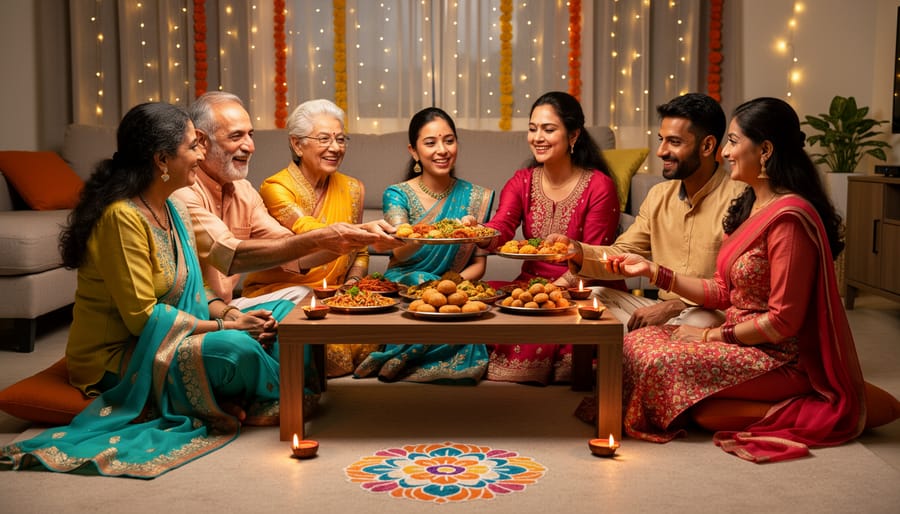
Diwali in Canada is less a single day than a whole season of gathering. This year’s celebrations began in late September, with community events running across the country right through mid-November. Neighbourhood by neighbourhood, the lights keep going up.
In Toronto, the party kicked off early. One of North America’s biggest Diwali festivals took over Nathan Phillips Square on October 24 and 25, 2026, with free entry. That open-door spirit is what makes a public festival like this so welcoming: families, newcomers, curious neighbours and longtime celebrants all share the same square, soaking up the glow together.
Then the celebrations spread out across the region. From November 6 to 10, 2026, Diwali lit up Toronto, Brampton, Mississauga and Markham, with temple celebrations happening across the GTA. The main day fell on Sunday, November 8, right in the middle of that five-day stretch. Temples are often the heart of the festivities, and each community brings its own flavour to the season. That’s the beauty of Ontario’s diversity: the same festival of light feels a little different in every neighbourhood, shaped by the families and traditions who keep it alive.
What stands out most is the neighbourly warmth. Diwali here isn’t confined to one cultural community. Friends, coworkers and neighbours get invited in, handed a sweet, and made to feel part of something bright. It’s a lovely example of how festivals strengthen the places we live.
Now that the main day has passed, it’s a good moment to look ahead. If this year’s celebrations sparked your curiosity, start thinking about next season. Diwali’s dates shift from year to year, but the pattern of events stretching from late September into November gives you plenty of runway. Watch for the big public gatherings, find your local temple’s celebrations, and consider bringing a friend or family member along. Planning early means you can catch more than one event, and maybe even lend a hand as a volunteer.
Ways to Join In: Volunteering, Visiting and Celebrating Respectfully
Taking part in Diwali is easier than most newcomers expect, and you don’t need to be part of the tradition to be welcomed. Free public festivals are a lovely place to start, since families can wander at their own pace, take in the lamps, music and food, and soak up the community spirit. If you’d like a sense of when the season peaks, our guide to Diwali 2026 dates shows how the celebrations unfold, so you can plan ahead for next year.
A few friendly tips for first-time attendees and volunteers:
- Arrive curious and open to learning something new.
- Dress comfortably, since you may be on your feet and moving between indoor and outdoor spaces.
- Ask before photographing worship spaces or people at prayer.
- Try the food and sweets, and ask what’s on your plate.
- Say “Happy Diwali” to neighbours, friends and colleagues who celebrate.
Temple celebrations are another meaningful way to experience the season. Go with courtesy: follow the lead of hosts, observe any shoe or dress customs, and keep your voice gentle. Volunteering is a rewarding way to get involved, and local organizers are often grateful for extra hands with welcoming guests, setup and cleanup. Supporting community vendors and artists also helps these gatherings thrive.
If you organize or volunteer with a Diwali event, we’d love to help others find it. Add your festival to Canadian Festivals Handbook and share the light with a wider audience.
Diwali Questions, Answered
What does Diwali mean and how is it celebrated?
Diwali is the Festival of Lights, a celebration of light over darkness that matters in Hindu, Sikh, Jain, and Buddhist traditions. People light lamps, share sweets and gather with loved ones.
When is Diwali 2026 and how long does it last?
The main day falls on Sunday, November 8, 2026. It’s traditionally a five-day festival, so celebrations run from around November 6 to 10.
Where can you celebrate Diwali in Ontario?
Toronto hosts a free festival at Nathan Phillips Square on October 24 and 25, 2026. Toronto, Brampton, Mississauga and Markham also light up from November 6 to 10, with temple celebrations across the GTA.
Where is Diwali a public holiday, and where is it celebrated abroad or in India?
Holiday rules vary by place, so it’s best to check local listings. Diwali is celebrated by communities well beyond India, and across India it brings families and neighbourhoods together.
Once the festival glow fades, you can keep the community spirit going with fall evening events close to home.
At its heart, Diwali is a celebration of light, shared across faiths, families and neighbourhoods. Ontario makes it easy to experience, with free public gatherings and warm temple celebrations right in our own communities. Whether you came to learn or to join in, there’s a place for you. Explore the Canadian Festivals Handbook for more events, consider volunteering with a local organizer, and carry that spirit of light and togetherness into the season ahead.