

Trick or Treat at Pickering Museum Village typically runs on one evening in late October, usually falling between the 24th and 31st, with showtimes in the early evening to accommodate young families before dark. The heritage site transforms into a gently spooky wonderland where costumed children wander through historical buildings collecting treats while learning about 19th-century traditions, but the exact date shifts each year based on the museum’s programming calendar and community event scheduling.
Planning your visit means checking the museum’s website or social media channels by early October, when they announce the specific evening and time slots. Since this beloved community event draws hundreds of families to the Ajax heritage site, many editions require advance registration to manage crowd flow through the village’s historic buildings and ensure every child gets a meaningful experience with costumed interpreters.
What makes this event special goes beyond the candy. Families discover how Halloween evolved from harvest festivals and Celtic traditions while exploring authentically furnished pioneer homes, the blacksmith shop, and the one-room schoolhouse, all lit by lanterns and populated with friendly volunteers in period costume. It’s the rare Halloween outing that combines sugar-fuelled excitement with genuine cultural education, offering parents a chance to introduce children to Ontario’s heritage in a setting that feels magical rather than like a history lesson.
When Trick or Treat at Pickering Museum Village Takes Place
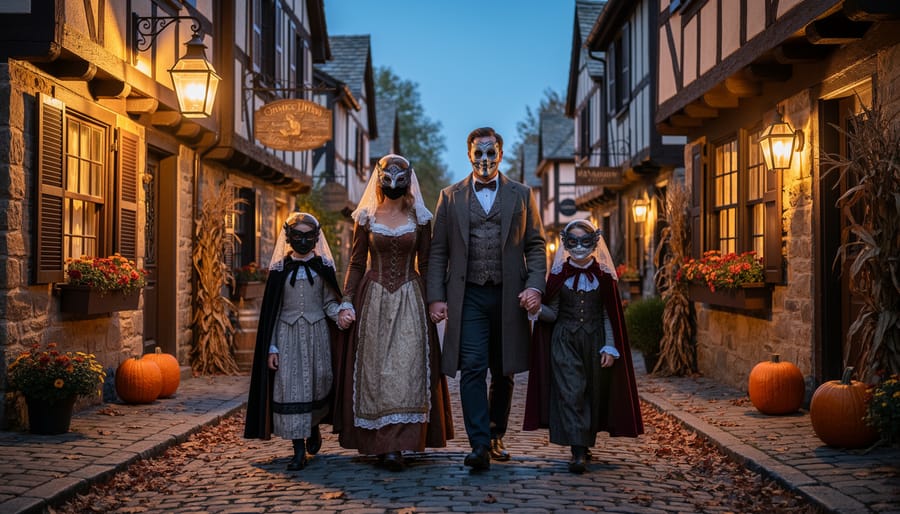
Trick or Treat at Pickering Museum Village typically takes place on select evenings in October, usually scheduled for weekends to accommodate family schedules. The museum announces specific dates several weeks in advance each year, as the timing shifts based on the calendar, volunteer availability, and coordination with other local Halloween events.
You won’t find a fixed date like you might for statutory holidays. Instead, the museum selects dates that work best for the community each season. Past events have occurred anywhere from mid-October through the final weekend of the month, depending on how the calendar falls and what makes sense for families with young children.
The museum’s planning team considers several factors when setting the schedule: which weekends offer the best weather outlook, when volunteers can commit to staffing the historic buildings, and how to avoid conflicts with school events or other community celebrations. This flexible approach means the event can shift by a week or two from year to year.
For the most reliable information about 2026 dates, visit the Pickering Museum Village website directly or follow their social media accounts where they post announcements. Calling the museum office can also confirm details if online information isn’t yet available. Planning ahead matters because tickets often sell out within days of going on sale, particularly for prime evening time slots.
Typical Event Hours and Session Windows
The museum typically structures Trick or Treat as timed sessions running through the early evening, though the exact schedule shifts from year to year. Most often, families can choose from multiple entry windows spread across one or two nights in late October, allowing the venue to manage crowd flow and maintain the intimate, heritage-focused atmosphere that makes this event special.
| Typical Session Window | Recommended Arrival | Best Suited For |
|---|---|---|
| Early session (often 4:00-6:00 p.m.) | 15 minutes before start | Toddlers and younger children |
| Mid session (often 5:30-7:30 p.m.) | 20 minutes before start | Elementary-aged families |
| Later session (often 7:00-9:00 p.m.) | 15-20 minutes before start | Older children and teens |
Session lengths generally run around 90 minutes to two hours, giving families enough time to explore the heritage buildings, collect treats from each station, and soak in the historic setting without feeling rushed. The staggered windows prevent overcrowding on the village’s pathways and inside the period structures, where space is naturally limited.
Arriving at the recommended time matters more here than at large-scale festivals. Once your session reaches capacity, entry closes to preserve the experience for those already inside. Showing up early also lets children adjust to the historic surroundings before darkness fully settles, making younger visitors more comfortable as they navigate between candlelit buildings. If you’re bringing toddlers or children who startle easily, the earliest session offers the most daylight and the calmest atmosphere.
What Influences Event Timing Each Year
Several practical factors shape when Pickering Museum Village holds its Trick or Treat event each October, and understanding these helps explain why the dates shift from year to year rather than landing on a fixed calendar spot.
Weekend availability plays the largest role. The museum typically schedules the event for evenings when families can attend together without school-night constraints, which means focusing on October weekends. However, not every weekend works equally well, the final week of October often competes with school events, community Halloween parties, and neighbourhood trick-or-treating on the 31st itself, so organizers may opt for an earlier weekend to avoid conflicts and give families multiple Halloween experiences rather than forcing them to choose.
Weather patterns in southern Ontario also influence timing decisions. Early October can still bring mild evenings perfect for outdoor activities among the heritage buildings, while late October risks cold snaps or rain that make outdoor trick-or-treating less appealing, particularly for younger children. The museum’s open-air village setting means weather matters more than it would for an indoor event.
Key factors that affect scheduling each year include:
- Availability of trained volunteer interpreters to staff the historic buildings
- Coordination with other Pickering community events to avoid overlap
- Municipal event permitting timelines and heritage site regulations
- Seasonal daylight hours affecting safe navigation of the village grounds
- School board calendar to avoid holiday weekends when families travel
Volunteer coordination deserves special mention. The event relies on community members who dress in period costume and welcome children to each historic building, and securing enough volunteers for multiple evening sessions requires months of planning. If volunteer sign-ups lag, the museum may consolidate to fewer dates or shift timing to accommodate available staff.
The museum announces specific dates several months ahead, usually by mid-summer, once these variables align. This advance notice helps families plan but also reflects the careful coordination required to create a safe, memorable evening in a working heritage village.
Planning Your Visit: What to Know Before You Go
Getting your family ready for Trick or Treat at Pickering Museum Village means planning ahead, as this popular event typically sells out well in advance. Tickets usually go on sale in early September and can disappear within days, so mark your calendar and set a reminder to purchase as soon as registration opens through the museum’s website.
Comfortable walking shoes are essential for navigating the village’s heritage buildings and pathways, which may be uneven or unpaved in spots. The event takes place outdoors and in historic structures, so dress in layers that can handle October temperatures dropping after sunset. You’ll want a flashlight or headlamp for visibility between buildings, and a bag or bucket for collecting treats at each station.
Costumes are encouraged and add to the festive atmosphere, but choose outfits that work with the museum’s heritage setting. Elaborate masks that restrict vision can make it difficult to navigate pathways safely, and costumes with long trains or capes might catch on historic doorways. Many families opt for simple, vintage-inspired looks that complement the 19th-century village backdrop while keeping kids comfortable for an active evening.
The museum offers accessible pathways to most buildings, though some historic structures have steps or thresholds that may challenge mobility devices. Contact the museum directly before your visit if you have specific accessibility questions or need accommodation arrangements. Washroom facilities are available on-site, and staff and volunteers are positioned throughout the village to assist families.
Strollers are permitted but can be challenging on gravel paths. Consider using a baby carrier if you’re visiting with very young children who tire easily.
Understanding Pickering Museum Village’s Halloween Traditions
Pickering Museum Village transforms its heritage site into something special for Halloween, blending the spooky season with living history. Unlike typical door-to-door trick-or-treating, children visit authentically restored 19th-century buildings where costumed interpreters share stories and treats while demonstrating what autumn celebrations looked like in rural Ontario’s past.
- Heritage Village
- A collection of preserved historic buildings relocated to one site to represent community life from a specific era, in this case 1800s rural Ontario.
- Period Costumes
- Historically accurate clothing worn by museum interpreters to represent residents from the 1800s, creating an immersive educational experience for visitors.
- Historical Interpretation
- The practice of museum staff explaining and demonstrating past ways of life through storytelling, demonstrations, and interactive activities rather than just displaying artifacts.
- Living History
- An educational approach where interpreters actively recreate daily activities from the past, allowing visitors to experience history through participation and observation.
The event maintains a gentle, family-friendly atmosphere that introduces children to cultural heritage while they collect treats. Interpreters might demonstrate candle-making, explain harvest traditions, or share folklore from the era. This approach connects families to local history in a way that resonates with younger visitors, similar to how other heritage celebrations like Festival of Lights origins teach cultural traditions through participatory events. The museum’s buildings, including the blacksmith shop, schoolhouse, and general store, each offer different interactive experiences, making every stop along the trick-or-treat route both entertaining and educational.
Making the Most of Your Evening After the Event
Your visit to Pickering Museum Village doesn’t have to end when the last treat is collected. The evening offers several ways to extend the seasonal fun and stay connected with this heritage site.
Many families head to nearby Rotary Frenchman’s Bay West Park afterward to enjoy the waterfront under fall skies. The short drive offers a peaceful wind-down spot where kids can compare candy hauls while parents relax. During autumn months, the park’s trails and shoreline provide a natural transition from the museum’s historic setting back to everyday life.
Capture the memories while costumes are still intact. The museum’s historic buildings create stunning backdrops for photos, and the soft lighting during evening events adds warmth to family portraits. Many visitors find the gatehouse and main village green especially photogenic.
Stay engaged with the museum beyond Halloween. Their newsletter announces upcoming seasonal events, including winter light events and heritage demonstrations throughout the year. Following their social media keeps you informed about volunteer opportunities, which let families contribute to future celebrations while learning more about local history.
Volunteering at Trick or Treat or other events offers hands-on how to experience heritage interpretation firsthand. The museum welcomes community members who want to help with setup, greeting visitors, or assisting in historic buildings during special events, creating connections that last well beyond a single evening.
Steps at a Glance
Planning a visit to Trick or Treat at Pickering Museum Village becomes straightforward when you follow these steps in order:
- Check the museum’s official website in late August or early September to confirm this year’s scheduled dates and session times
- Purchase tickets online as soon as they become available, typically 3-4 weeks before the event, as sessions often sell out within days
- Select a time slot that works for your family, keeping in mind that earlier sessions suit younger children while later slots accommodate school-age kids
- Prepare costumes that are comfortable for walking outdoors and appropriate for the historic setting, avoid long capes or masks that obstruct vision on uneven paths
- Arrive 15 minutes before your scheduled session to allow time for parking and check-in at the entrance
- Bring a flashlight or headlamp for navigating between buildings as daylight fades during your visit
These steps mirror the planning approach families use for other seasonal attractions like Wild Lights at Riverbanks where advance preparation ensures the best experience. The key difference here is that Pickering Museum Village’s heritage focus means you’ll want to pack a small treat bag rather than a large bucket, and comfortable walking shoes matter more than elaborate costume accessories that might hinder movement through the historic village pathways.
Common Questions About Trick or Treat Timing and Visits
What time should we arrive for Trick or Treat at Pickering Museum Village?
Arrive at your designated session time, which the museum will communicate when you book tickets. Sessions typically run in the early evening during October weekends, and punctual arrival ensures your family gets the full experience without missing activities.
How long does the event last?
The event generally runs for about two hours per session. Families can explore the historic buildings, collect treats, and enjoy activities at a comfortable pace without feeling rushed.
Is there an age limit for children attending?
Trick or Treat at Pickering Museum Village welcomes children of all ages, though the activities are designed primarily for elementary-aged kids and younger. Teenagers may find the experience geared toward younger siblings, but all family members can enjoy the historic atmosphere together.
What happens if it rains on event night?
The event proceeds rain or shine, as many activities take place inside historic buildings. Dress for the weather and bring umbrellas if rain is forecasted, the museum’s covered areas and indoor spaces keep the celebration going regardless of conditions.
Since timing details vary from year to year, check the museum’s official channels as October approaches for the most current session times and booking windows. The museum typically announces dates and opens registration several weeks in advance, giving families time to plan accordingly and secure their preferred time slot before sessions fill up.