
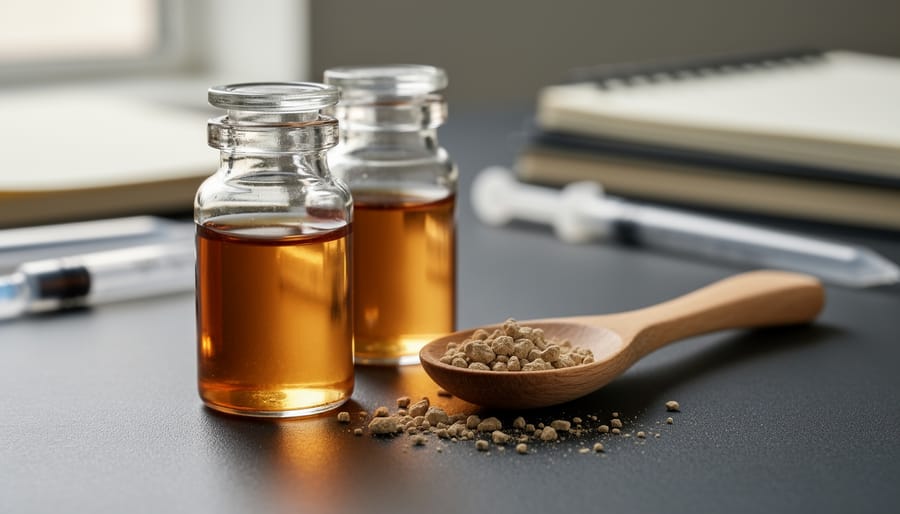
The KLOW Blend is a combination of research peptides sold together as a single formulation, and the KLOW peptide blend is the version researchers are currently looking at. Peptides are short chains of amino acids, the small building blocks that make up proteins. A blend simply puts more than one of them into the same product so they can be studied side by side.
Why does this matter? Blends like this tend to spark a lot of curiosity, and plenty of questions travel with them. What’s actually inside? How do scientists examine a combination instead of a single ingredient? And what’s been confirmed versus what’s still being explored? We’ll answer those plainly, without inventing studies or findings that haven’t been shared.
You might wonder why a site devoted to Ontario festivals and markets is talking about this at all. The answer is simple. Our community includes vendors, organizers, and volunteers who meet wellness-minded visitors at farmers’ markets and cultural fairs every season, and clear, honest information helps everyone have better conversations at the booth, the beer garden, or the community tent.
Below, you’ll find a plain-language glossary, quick bullet lists, a key takeaway box, and an FAQ, so you can skim or settle in.
What the KLOW Blend Means in Plain Language
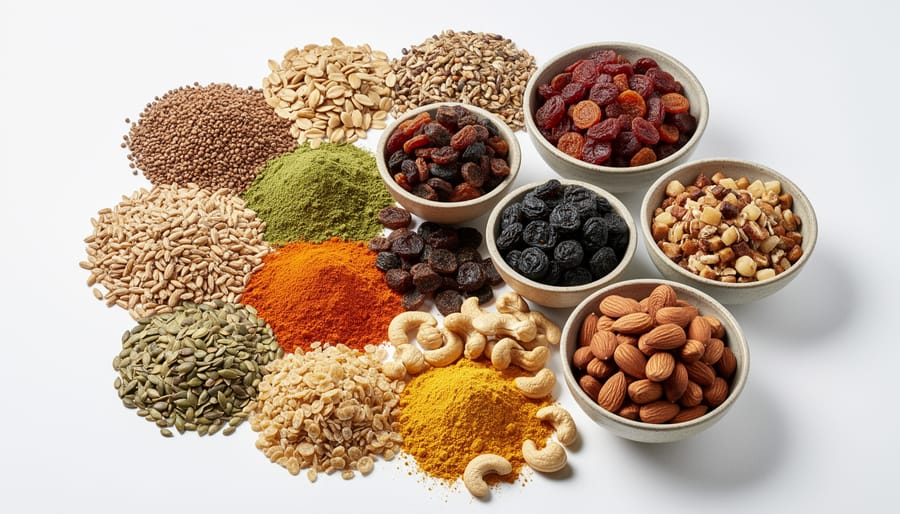
If you’ve wandered past a wellness booth at an Ontario market and spotted a jar or pouch labelled “KLOW Blend,” you’re not alone in wondering what it is. In plain language, the KLOW Blend is a combination of several ingredients packaged together as one product, rather than a single ingredient on its own. People are curious because blends like this often get attention at food, drink, and wellness stalls, and because researchers have started asking thoughtful questions about them.
Here’s the important bit: the exact makeup can differ from one brand or maker to the next. One producer’s version may not match another’s, even if the name looks the same. That’s why checking the label is always the best first step. Look at the ingredient list, the amounts, and any notes from the maker. We’re not suggesting any particular result from using it, only helping you understand what you’re looking at.
To make the research conversation easier to follow, here are a few everyday terms you’ll come across:
- Blend
- A product that combines two or more ingredients, so you’re looking at the mix rather than one component alone.
- Active compound
- A natural substance within an ingredient that researchers are interested in studying for how it behaves.
- Clinical study
- A research project where scientists carefully observe people under planned conditions to learn more about something.
- Observational research
- Studies that watch what happens in everyday life without changing anything, such as tracking habits over time.
- Peer review
- A check where other independent experts read a study before it’s published, to make sure the methods hold up.
Keep these terms handy, and the rest of the conversation will feel a lot less intimidating.
How Researchers Study a Blend Like This

Think of a favourite festival recipe, say a big pot of chili at a community fair. If it tastes off, a good cook doesn’t toss everything out. They taste the spices on their own, then the beans, then the peppers, and only then figure out how the whole pot comes together. Researchers approach a blend like the KLOW Blend in much the same way.
First, scientists look at each ingredient separately to understand what it is and how it behaves. Then they ask a trickier question: what happens when those ingredients are combined? Ingredients can sometimes change one another’s effects, which is why blends are harder to study than a single substance. Two ingredients that behave one way alone may act differently side by side, and every added ingredient multiplies the possibilities.
Here’s a quick guide to the common approaches, and what each can and can’t tell us:
- Laboratory studies: These examine ingredients in controlled settings, so they offer early clues but can’t tell us how a blend works in real people.
- Small pilot studies: A limited group of volunteers helps researchers spot patterns, though small numbers mean the results are only a starting point.
- Controlled trials: Larger groups are compared against each other under careful conditions, giving stronger evidence but taking more time and resources.
- Reviews of existing studies: Researchers gather and weigh many past studies together, which helps show the bigger picture but depends on the quality of the studies included.
Because every step builds on the last, good research takes patience. A single early study is a bit like one taste test at the first stall of a festival: interesting, but not the whole story. When new findings about a blend appear, it’s worth waiting to see whether other researchers can repeat them. Solid answers tend to emerge gradually, the way a recipe gets better after many rounds of tasting, tweaking, and sharing with the community.
What Researchers Are Studying About the KLOW Blend
Researchers who look at blends like this usually start with a handful of practical questions rather than big headline claims.
The first is about the ingredients themselves. Where do they come from, how are they grown or produced, and how are they processed into the final product? Two blends with the same name can differ quite a bit depending on the supplier and the method, so this groundwork matters.
The second is about the body. Scientists want to know how ingredients are absorbed, how they’re used once they’re in the system, and whether combining them changes any of that. A single ingredient can behave differently on its own than it does alongside others.
Then there’s safety. Researchers ask who might be affected differently, such as people with allergies, people taking medications, or those who are pregnant, and what happens at different amounts over time. Quality is closely related: is each batch consistent, and does what’s on the label match what’s in the container?
Here’s the honest part. For many multi-ingredient blends, the evidence is still thin, and there are real gaps in what’s been studied and published. That’s why it pays to be a careful reader rather than a fast believer.
When you’re curious, look for peer-reviewed sources, which have been reviewed by independent experts before publication. And before trying any new blend, have a chat with a doctor, pharmacist, or other health professional who knows your situation. They can help you weigh what’s known against what isn’t.
Where You Might Come Across the KLOW Blend at Ontario Festivals and Markets
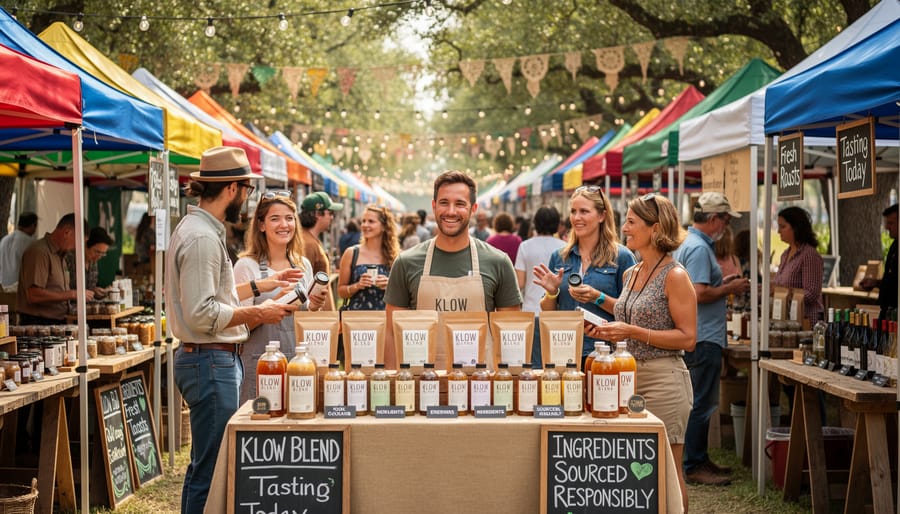
Ontario’s festival season is a feast for curious minds. Wander through a farmers’ market, a food and drink festival, or a community fair, and you’ll often find wellness vendors and small-batch makers sharing products that people are chatting about, possibly including blends like this one. These stalls are a wonderful reflection of the province’s diversity, with makers from every background bringing their own traditions and recipes to the table.
If something catches your eye, don’t be shy. Vendors love sharing their craft, and a friendly question goes a long way. It’s a good idea to talk to vendors about what’s in a product and how it’s made. Here’s a handy checklist to bring along:
- What’s on the full ingredients list?
- Where are the ingredients sourced from?
- Is there allergen information I should know about?
- How is this product meant to be used?
- Is any supporting research available to read?
Reading labels carefully is another smart habit, and our health-safe festival tips can help you enjoy events with confidence. Prefer a deeper look behind the scenes? Volunteering is a fantastic way to meet local producers, hear their stories, and learn more while supporting your community.
Common Questions About the KLOW Blend Research
Curious about the KLOW Blend? You’re not alone, and it’s wonderful to see festival-goers asking smart questions. Here are some friendly, plain-language answers, and our Ontario festival guides can help you plan your next market or fair visit.
Is the KLOW Blend proven to work?
Research on blends like this is still developing, so it’s best to be cautious about big promises. Look for clear, balanced information rather than bold claims.
Is it safe for everyone, including kids and older adults?
Different people have different needs, and age, health conditions, and medications can all matter. Check the label and ask a health professional before trying something new.
How can I tell if a study is trustworthy?
Look for peer-reviewed work, clear descriptions of who took part, and honest notes about limitations. Be wary of sources that sound too good to be true or that are trying to sell you something.
Where can I follow new research?
Public health websites, university research pages, and reputable science news outlets are good places to start. Your local library is also a friendly resource, and the staff are often happy to help you search.
Asking questions is part of the fun at Ontario’s festivals and markets. If a vendor mentions the KLOW Blend, a curious chat about ingredients and labels is always welcome, and most local makers love to share their story. Keep an open mind, stay curious, and enjoy the conversation.
So, what have we learned? The KLOW Blend is a multi-ingredient product that has sparked plenty of curiosity, and researchers are still working to understand it. Their questions tend to centre on how the ingredients are sourced and made, how the body absorbs and uses them, how safe they are, and whether products stay consistent from batch to batch. The honest answer is that the picture is still developing, and that’s perfectly okay.
Until more is known, stay curious and choose with care. Read labels closely, look for peer-reviewed sources, and talk with a health professional before trying something new.
And remember, Ontario’s festival scene is a wonderful place to keep learning. Chat with local makers and vendors, ask thoughtful questions, and soak up the creativity of your community. If you’d like to go a step further, consider volunteering at your next favourite event. It’s a warm, welcoming way to meet the people behind the booths.