
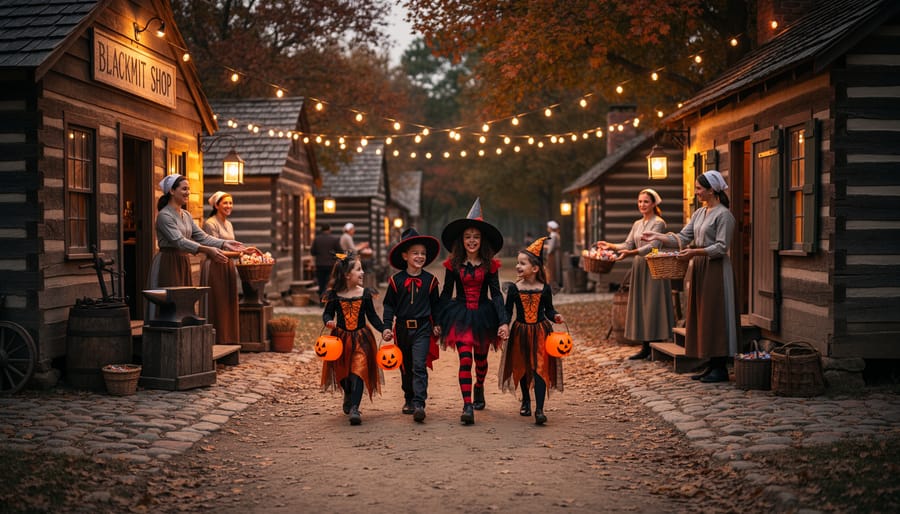
Trick-or-treat at the museum typically runs during the final two weekends of October, though some Ontario museums extend their Halloween programming throughout the entire month to accommodate eager families. The exact dates shift year to year based on when Halloween falls and how each institution schedules its volunteer crews and community partners.
Museums transform into enchanted spaces where costumed children wander through historic buildings, collecting treats from friendly volunteers stationed at heritage exhibits. At Pickering Museum Village, for instance, young ghouls and goblins hop between a blacksmith shop, a one-room schoolhouse, and pioneer cabins, gathering candy while learning about 19th-century Ontario life. The experience blends storytelling with tradition, turning a simple candy hunt into a multi-generational celebration that welcomes everyone from toddlers clutching their first pumpkin pails to grandparents sharing memories of Halloweens past.
These events thrive on community spirit. Museums across the province rely on enthusiastic volunteers to bring their spooky visions to life, creating safe, weather-protected alternatives to door-to-door neighbourhood rounds. Registration often opens in early September, and popular time slots fill quickly as families seek memorable ways to mark the season together.
When Museums Host Trick-or-Treating Events
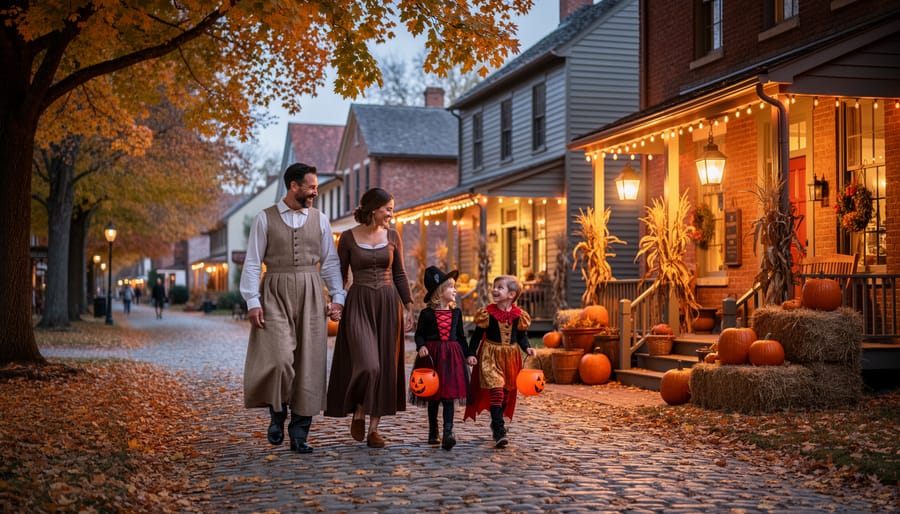
Museum trick-or-treat events in Ontario typically run during the last two weeks of October, with most institutions hosting their programs on the weekend before October 31st or on Halloween night itself. Museums favour Friday evenings or Saturday afternoons to maximize family attendance without conflicting with school schedules.
You’ll find most events scheduled between 4 and 8 p.m., accommodating young children’s bedtimes while providing enough evening darkness for atmospheric lantern tours and costumed interpretation. Some heritage villages start as early as 3 p.m. on Saturdays to allow multiple family waves throughout the afternoon and early evening.
Exact dates shift annually based on how Halloween falls in the calendar and each museum’s operational capacity. A museum might host its event on October 27th one year and October 25th the next, depending on weekend placement and staffing. Smaller heritage sites often choose a single evening, while larger institutions like regional museums occasionally offer two or three dates to spread demand.
The variation means you can’t assume last year’s schedule will repeat. Museums announce their Halloween programming in early to mid-September, opening registration windows roughly four to six weeks before the event. Checking your chosen museum’s website or subscribing to their email list in early autumn ensures you catch the announcement before tickets disappear.
Typical Event Dates and Hours Across Ontario Museums
Most Ontario museums schedule their trick-or-treat events for late October, with the majority clustering around the final weekend before Halloween or Halloween evening itself. Unlike neighbourhood trick-or-treating that can stretch over multiple hours, museum events run on a tighter, more controlled schedule designed to manage crowd flow and staffing.
Weekend slots dominate the calendar. Museums typically choose Friday evenings, Saturdays, or Sundays in the week leading up to October 31st. When Halloween lands on a weekend, that date becomes the obvious choice. Weeknight events do happen, particularly at larger institutions with ample volunteer support, but they’re less common because families with young children prefer not to rush from school pickup to an evening program.
Start times cluster in the 5 p.m. to 6 p.m. window. This accommodates working parents while still giving toddlers and preschoolers enough time to participate before bedtime. Smaller heritage sites might open as early as 4 p.m., while urban museums sometimes push to 6:30 p.m. or 7 p.m. for older kids. Most events wrap by 8 p.m. or 9 p.m. at the latest.
| Day Type | Typical Time Range | Duration | Entry Notes |
|---|---|---|---|
| Weekend (Sat/Sun) | 4 p.m., 8 p.m. | 3-4 hours | Pre-registration common |
| Friday Evening | 5 p.m., 8 p.m. | 3 hours | Often ticketed |
| Weeknight (Mon, Thu) | 6 p.m., 8 p.m. | 2 hours | Less frequent, may be drop-in |
Expect one or two designated event dates rather than a week-long run. Museums don’t have the resources for nightly Halloween programming, so they concentrate their efforts into a single marquee evening or perhaps a Friday-Saturday double-header. This scarcity makes advance planning essential. Registration windows often open in early October and fill within days at popular venues like heritage villages with historic streetscapes and costumed interpreters.
What Influences the Timing Each Year
Museums don’t set their trick-or-treat dates in January and forget about them. The timing shifts every year based on a mix of fixed constraints and last-minute realities that heritage sites juggle right up until announcements go live.
The day Halloween actually falls on carries the most weight. When October 31st lands on a Saturday, museums often schedule their events for that night to catch families who aren’t splitting attention between school nights and costume parades. A Tuesday or Wednesday Halloween? Most museums shift to the nearest weekend, typically the Saturday before, since families prefer not to navigate historic sites on a school night when bedtimes loom. Some larger institutions run events on multiple dates to capture both weekend crowds and the actual holiday.
Several practical factors shape the final schedule each season:
– Halloween day of the weekWeekend dates draw bigger crowds; weeknight events end earlier
– Weather forecast for outdoor venuesHeritage villages check long-range predictions and may adjust hours or add rain dates
– Volunteer recruitment deadlinesEvents need costumed interpreters and station monitors confirmed weeks ahead
– School holiday calendarsPA days and March Break timing affect volunteer and visitor availability
– Competing local eventsMuseums coordinate with municipal recreation departments to avoid clashing with community trunk-or-treats
Weather considerations matter most for sites like Pickering Museum Village, where the experience unfolds outdoors among heritage buildings. A forecast calling for heavy rain or unseasonably cold temperatures can push organizers to move an event forward by a day or add an indoor backup plan. Outdoor venues watch the ten-day forecast closely once mid-October arrives.
Staffing realities create their own pressures. Museums rely heavily on volunteers to bring trick-or-treat events to life, and recruiting enough costumed interpreters, candy station attendants, and crowd managers takes time. If volunteer response runs low by early October, a museum might scale back from two event dates to one, or shorten evening hours to match available coverage. Advance ticket sales also feed into timing decisions, if registration fills quickly for a Saturday slot, organizers sometimes add a Friday session or extend hours to accommodate demand.
What to Expect During Your Visit
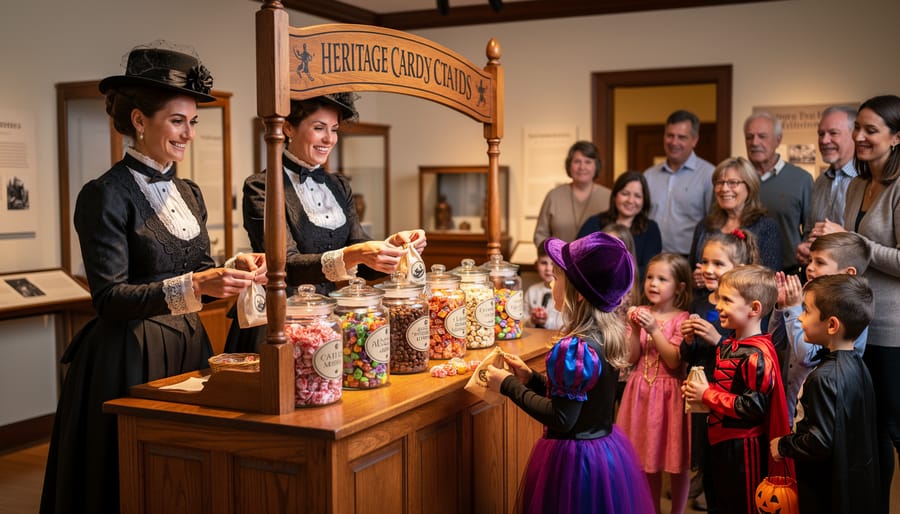
Stepping through the gates of a museum or heritage village on trick-or-treat night feels like entering a storybook. Instead of suburban driveways, costumed children wander past blacksmith shops, one-room schoolhouses, and period homes glowing with candlelight or lanterns. Costumed interpreters, dressed as Victorian-era shopkeepers, pioneer farmers, or historical townsfolk, greet visitors at each station, often sharing a snippet of local history or a spooky folk tale before handing out candy. The atmosphere blends gentle thrills with genuine learning, making it ideal for families who want Halloween fun without jump-scares or commercial excess.
- Heritage Candy Stations
- Designated stops throughout the site where interpreters in period dress distribute treats, often set inside restored buildings like a general store or schoolhouse. Each station typically offers a brief historical tidbit or seasonal story alongside the candy.
- Costumed Interpreters
- Staff or volunteers dressed in era-appropriate clothing who bring the site to life through character interactions, answering questions and weaving local history into casual conversation. Their presence turns simple candy stops into mini educational encounters.
- Interactive Craft Zones
- Hands-on activity areas where children can make simple take-home crafts such as paper lanterns, corn-husk dolls, or autumn wreaths using traditional techniques. These zones offer a creative break from walking and reinforce the heritage theme.
- Spooky Storytelling Sessions
- Scheduled gatherings where an interpreter or volunteer shares age-appropriate ghost stories, local legends, or folklore tied to the region’s past. The tone is eerie but not frightening, suitable even for younger children.
Pickering Museum Village exemplifies this approach. Children collect treats from the historic church, post office, and general store while learning snippets about 19th-century village life. Check Pickering Museum Village timing for specific dates and hours. The village’s compact layout means families can complete the circuit in about an hour, with plenty of photo opportunities against rustic backdrops and autumn foliage. Many sites also offer lantern-lit tours, pumpkin-decorating tables, and seasonal music that enhance the festive mood without overwhelming younger guests. Expect a relaxed pace, parents chat while kids explore, and the emphasis stays on discovery rather than racing from house to house.
How to Plan Your Museum Trick-or-Treat Visit
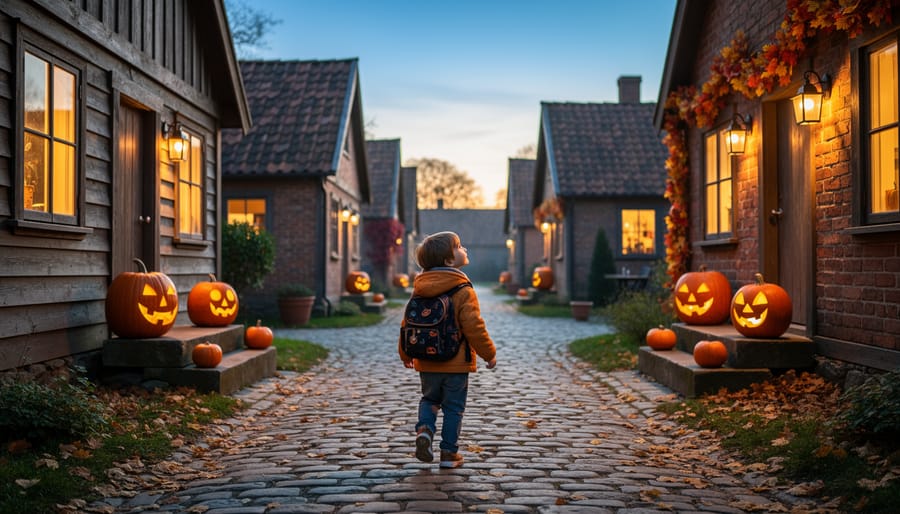
Start preparing for your museum trick-or-treat adventure several weeks in advance to secure your spot and ensure a smooth experience on event day. Most heritage sites and museums announce their Halloween programming in September, with ticket sales opening shortly after, and popular events often sell out quickly.
- Monitor museum websites and social media pages starting in late September for event announcements and registration dates.
- Register as soon as tickets open, typically early to mid-October, as capacity limits mean events frequently reach maximum attendance within days.
- Plan costumes that work for outdoor October weather in Ontario, think layers under the costume, closed-toe shoes for walking historic sites, and a warm jacket that coordinates with the outfit.
- Arrive 15 minutes before your scheduled time slot to allow for parking, check-in, and orientation without rushing.
- Bring cash for optional add-ons like hot chocolate, popcorn, or craft activities that many museums offer alongside the main trick-or-treating experience.
Pack a flashlight or headlamp for each family member, especially if your event runs past dusk. Heritage villages often have limited artificial lighting to preserve the historic atmosphere, and paths between buildings can be dimly lit. A sturdy bag or bucket for collecting treats works better than flimsy plastic pumpkins on uneven terrain.
Check the museum’s accessibility information ahead of time. Most heritage sites have gravel paths, wooden boardwalks, or stairs between buildings, which may pose challenges for strollers or wheelchairs. Call ahead to discuss specific needs, staff can often suggest accessible routes or provide accommodations like golf cart shuttles between stations.
If your child has food allergies, ask whether the museum offers non-candy alternatives or allows you to swap treats at a central location. Many institutions now provide teal pumpkin options or small toys alongside traditional candy.
After the Event: Making the Most of Your Museum Connection
Your trick-or-treat evening doesn’t have to be a once-a-year visit. Many families discover that their museum experience opens the door to deeper community connections and year-round cultural adventures. Pickering Museum Village and similar heritage sites offer seasonal programs throughout the calendar, from spring maple syrup festivals to summer historical re-enactments and December holiday celebrations. Becoming a member typically unlocks free or discounted admission to these events, plus invitations to member-only previews and behind-the-scenes tours.
Volunteering transforms you from visitor to active participant. Museums constantly need help with seasonal events like Pumpkinferno dateswinter light events and heritage demonstrations. Even a few hours helping with crafts, greeting families, or assisting with setup lets you contribute to experiences that delight other visitors while building skills and friendships. Kids can often participate in junior volunteer programs for school programming, learning about Festival of Lights origins and other cultural traditions while giving back to their community. These connections turn a single evening of trick-or-treating into lasting involvement with Ontario’s living history.
Frequently Asked Questions
Do I need to book tickets in advance?
Most museums require advance registration for trick-or-treating events, often selling out days or weeks before Halloween. Check the museum’s website in early October and book as soon as tickets become available to secure your preferred time slot.
Are these events too scary for toddlers and preschoolers?
Museum trick-or-treating is designed to be family-friendly and not frightening. You’ll find gentle spooky decorations and cheerful costumed interpreters rather than jump scares or horror elements, making them perfect for young children.
Is candy provided, or should we bring our own trick-or-treat bag?
Museums provide the candy at designated stations throughout the site. You only need to bring your own bag or bucket to collect treats as you explore.
What happens if it rains on the event day?
Most outdoor heritage sites operate rain or shine, with some indoor spaces available for shelter. Dress for the weather and bring an umbrella, though events are rarely cancelled except in cases of severe weather.
These practical questions come up every year as families plan their museum visits. Beyond the logistics, remember that staff and volunteers work hard to create a welcoming atmosphere where everyone feels comfortable. Adults are absolutely encouraged to dress up alongside their children, many museums even hold costume contests with categories for all ages. The multigenerational enthusiasm adds to the festive spirit and sets these events apart from standard neighbourhood trick-or-treating.